Now Reading: How to grow nails fast: 12 Proven Methods
-
01
How to grow nails fast: 12 Proven Methods
How to grow nails fast: 12 Proven Methods
How to grow nails fast with 12 Science-Backed Methods
One of the most frustrating things about nails is watching them just refuse to grow past a certain length, no matter what you try. You care. You moisturise. You take a break from Polish. But nothing works out. They remain stubborn for a long time, week after week, and feel like your nails simply do not grow.
The truth is, they do grow. Each nail on your hand is growing right now, but just probably slower than you like, and for reasons that are completely within your control. This post covers 12 science-backed methods to make your nails grow faster, mentioning how the nail growth timeline actually looks so you can set real expectations, habits that are silently slowing your growth down, and when slow growth might be worth mentioning to a doctor.
In This Post
- Nail Growth Timeline: What to Realistically Expect
- The Science Behind Faster Nail Growth
- 12 Science-Backed Ways to Make Your Nails Grow Faster
- Habits That Silently Slow Your Nail Growth Down
- When Slow Nail Growth Deserves a Closer Look
Quick Answer: For nails to grow faster, focus on three fundamentals: nutrition, protection, and circulation. Eating enough protein and taking a biotin supplement support keratin production at the nail matrix level. Keeping nails hydrated, protected from water damage, and regular massaging improves blood flow to the nail bed. Most people see a noticeable difference in nail growth rate within four to six weeks of consistent effort.
Nail Growth Timeline: What to Realistically Expect
Let’s be honest about timelines before anything else, because the number one reason people give up on nail care routines too soon is having unrealistic expectations.
An average rate of fingernail growth is about 3.5 millimetres per month. Roughly equal to the width of a grain of rice every four weeks. Toenails grow about three times slower. So it takes almost six to eight weeks when you are trying to grow your nails from bitten stumps to a workable length, before you see a meaningful difference and about three to four months to reach a genuinely long length.
A few things affect how long nails take to grow beyond that baseline average. Ageing slows down nail growth. So does cold weather, as circulation decreases in lower temperatures. Nails grow faster during the day than at night, faster in summer than in winter. Researchers believe nail growth is linked to increased blood flow from more frequent use. And so dominant hand nails actually grow slightly faster than non-dominant hand nails. None of this means you cannot speed things up. You absolutely can. But knowing the biology first means you will not abandon a routine after two weeks because you expected overnight results.
The Science Behind Faster Nail Growth
Understanding what actually drives growth makes every tip in this post make more sense. So here is the short version of biology.
The living tissue hidden beneath the skin at the base of each nail is called the nail matrix. It is where nails actually grow. The matrix produces new cells continuously that accumulate and push forward older cells. Those older cells flatten, harden and form nail plates, the hard surface you can see and paint. The whole process is powered by a structural protein, keratin, that makes up the nail plate itself.
This means what makes nails grow faster comes down to two things: how efficiently your nail matrix is producing new cells, and how strong the resulting nail plate is once it emerges. Both of these are directly influenced by your nutrition, your circulation, and how well you protect the nail bed from damage. Beauty experts at Allure consistently highlight nail bed stimulation and nutrition as the two most controllable factors in nail growth rate.
Blood flow is especially underestimated here. The nail matrix is fed by tiny blood vessels. Things that improve circulation to your fingertips, like massage, warmth, and exercise, directly support faster and healthier growth. According to the American Academy of Dermatology, nails that are stimulated through regular use or activity grow measurably faster than those that are not, and so your dominant hand nails are longer.
Nutrition matters just as much. A body in any kind of nutritional deficit will deprioritise nail growth immediately. Keratin synthesis requires specific nutrients, including protein, biotin, zinc, iron, and adequate calories overall.
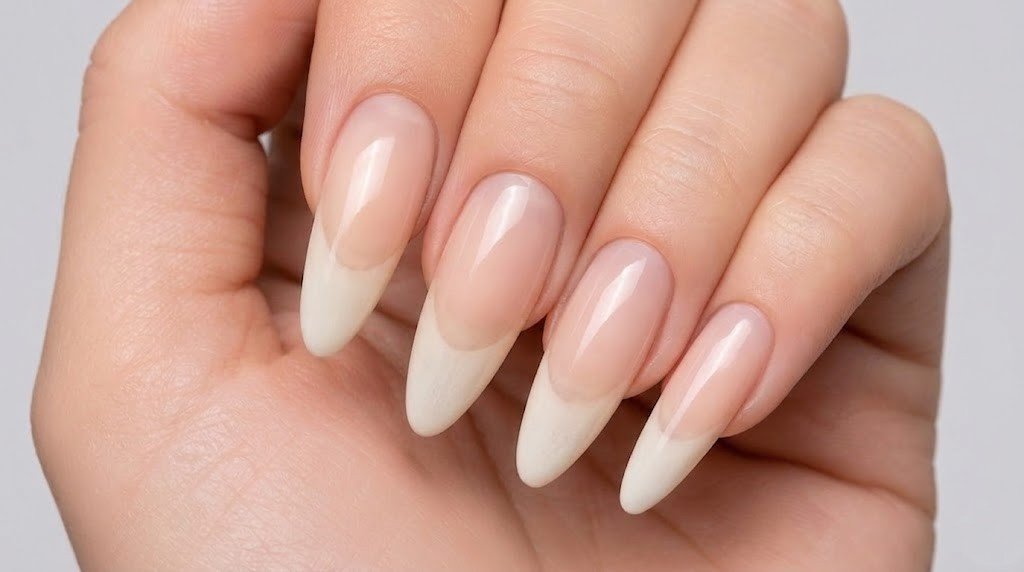
12 Science-Backed Ways to Make Your Nails Grow Faster
1. Eat Enough Protein Every Day
Keratin is a protein. Your body needs adequate dietary protein daily to manufacture keratin. Women underestimate how much protein they actually need. The general recommendation sits at around 0.8 grams per kilogram of body weight per day, but active women or those recovering from any kind of nutritional gap often need more.
Foods rich in amino acids required for keratin production include eggs, chicken, fish, lentils, Greek yoghurt, and cottage cheese. This does not mean you need to overhaul your entire diet overnight. It’s about making sure that protein appears at every meal, not just dinner.
2. Take a Biotin Supplement
Evidence genuinely supports that biotin for nail growth is one of the most researched connections in nail health. Biotin, a B-vitamin, plays a specific role in keratin infrastructure. It helps the body process the amino acids that build keratin chains. Studies show that women with brittle or slow-growing nails who supplemented with biotin saw measurable improvements in nail thickness and growth rate within a few months.
The standard supplementation dose is 2.5 mg (2,500 mcg) per day. Biotin is water-soluble, so excess is excreted rather than stored. If you take other medications, always check with your doctor before starting any new supplement. Biotin can interfere with certain lab test results, which is worth knowing.
3. Add a Collagen or Keratin Supplement
Beyond biotin, collagen peptides and keratin are worth considering as supplements for nail growth. Collagen, a structural protein, supports the nail bed tissue beneath the nail plate. Several small studies have found that women taking collagen peptide supplements daily showed improved nail growth rates and fewer broken nails after 24 weeks.
Keratin supplements work slightly differently. Rather than requiring the body to synthesise it entirely from scratch, they supply the body with pre-formed keratin building blocks. Both are available in powder or capsule form and integrate easily into a daily routine.
4. Massage Your Nail Beds Daily
This one costs nothing and takes thirty seconds per hand. Massage the nail bed and the skin just below the nail. This stimulates blood flow to that area. Better circulation directly supports faster cell production.
Use a small amount of cuticle oil, jojoba oil, or even plain olive oil. Work it into the base of each nail with circular pressure for about thirty seconds per nail. Do this every evening before bed. It takes less than five minutes total, and over six weeks, the difference in growth rate is noticeable.
5. Protect Your Nails From Water Damage
Prolonged water exposure is one of the most consistent and overlooked causes of slow nail growth. When the nail plate absorbs water, it swells, and when it dries, it contracts. This repeated expansion and contraction weakens the nail structure, causes peeling at the free edge, and breaks the nail before it can grow to any meaningful length.
Wear gloves for washing up and cleaning. Dry your nails thoroughly after handwashing, patting rather than rubbing. Keep showers shorter where possible. This is not dramatic but just consistent protection.
6. Keep Your Nails and Cuticles Hydrated
Hydration and water damage are not the same thing. Your nails need moisture, just not from soaking in water. Apply cuticle oil daily and use a rich hand cream after every wash. Look for ingredients like jojoba oil, vitamin E, and glycerin. They penetrate and hold moisture in the nail plate rather than just sitting on the surface.
Dry and dehydrated nails crack and break before they can grow. Moisturisation makes nails more flexible, more resilient, and significantly less likely to snap at the point where you have been trying to grow them past.
7. File in One Direction Only
The way you file matters more than most people realise. Sawing back and forth creates micro-tears along the nail plate’s layers. Those micro-tears become the starting points for splits and breaks. File in one direction only, always from the outer edge toward the centre. This keeps the nail edge smooth and intact.
Use a glass nail file rather than a rough emery board where possible. Glass files are gentler on the nail plate’s keratin layers and create a smooth edge that is far less likely to catch on fabric and snap.
8. Eat Foods Rich in Zinc and Iron
Minerals are just as important as vitamins for nail growth and are far less discussed. Zinc plays a direct role in cell division. This is the same process the nail matrix uses to produce new nail cells. Iron deficiency is one of the most common nutritional causes of slow nail growth and brittle nails in women.
Zinc-rich foods include pumpkin seeds, beef, chickpeas, and cashews. Iron-rich foods include red meat, spinach, lentils, and fortified cereals. If your nails have been slow-growing for a long time despite good care, it is worth asking your doctor for a simple blood panel to check your iron and ferritin levels before spending money on expensive nail treatments.
9. Use a Nail Growth Treatment or Serum
What genuinely supports faster growth is a dedicated nail growth treatment. It must contain ingredients that actually do something. Formulas containing peptides, biotin, calcium, or hydrolysed keratin are suggested. These ingredients strengthen the existing nail plate and support the nail bed.
Oils for nail growth are one of the most legitimately effective things when used consistently. Castor oil for nail growth in particular has a long track record. It is rich in ricinoleic acid, which has been shown to improve blood circulation when applied topically. Jojoba oil closely mimics the skin’s natural sebum and absorbs quickly without leaving residue. Apply either oil to the nail bed and cuticle nightly.
10. Stop Any Habits That Damage the Nail Plate
Habits like nail biting, picking at the nail surface, peeling off gel polish, and using your nails as tools all create damage at the nail plate level that slows growth visibly, even when the nail matrix is producing cells normally. The nail plate does not repair itself the way skin does; damage to it stays until the nail grows out completely.
Sounds obvious, but in practice, most of these habits are unconscious and stress-linked. Keeping nails painted, even with a clear base coat, creates a tactile barrier that interrupts the habit loop for many people.
11. Keep Nails Trimmed and Shaped Regularly
This feels counterintuitive when you are trying to grow your nails. But keeping nails trimmed to a clean, consistent shape, especially during the first few weeks of a growth routine, removes weak, peeling, or damaged sections before they become breaks that set you back further.
Think of it like trimming split ends. A nail that splits halfway up the nail plate is far more damaging to your length goals than trimming away two millimetres of free edge to keep the shape strong. The nail grows from the base regardless. Length that actually survives needs a healthy free edge.
12. Prioritise Sleep and Manage Stress
Seven to nine hours of quality sleep is not just general health advice. The Sleep Foundation confirms that cellular repair and regeneration peak during deep sleep stages making rest one of the most underrated tools for any growth process in the body. It is directly relevant to how fast your nails grow. Cell regeneration peaks during sleep. Chronic sleep deprivation measurably slows cellular turnover across the body, and nail growth is no exception.
Nail growth is considered non-essential by your body’s stress response. Chronic stress elevates cortisol, which redirects the body’s resources away from non-essential functions. Almost universally, women going through prolonged stress report slower nail growth. Stress management through whatever method genuinely works for you, exercise, sleep, boundaries, rest, supports nail growth more than most products will.
Habits That Silently Slow Your Nail Growth Down
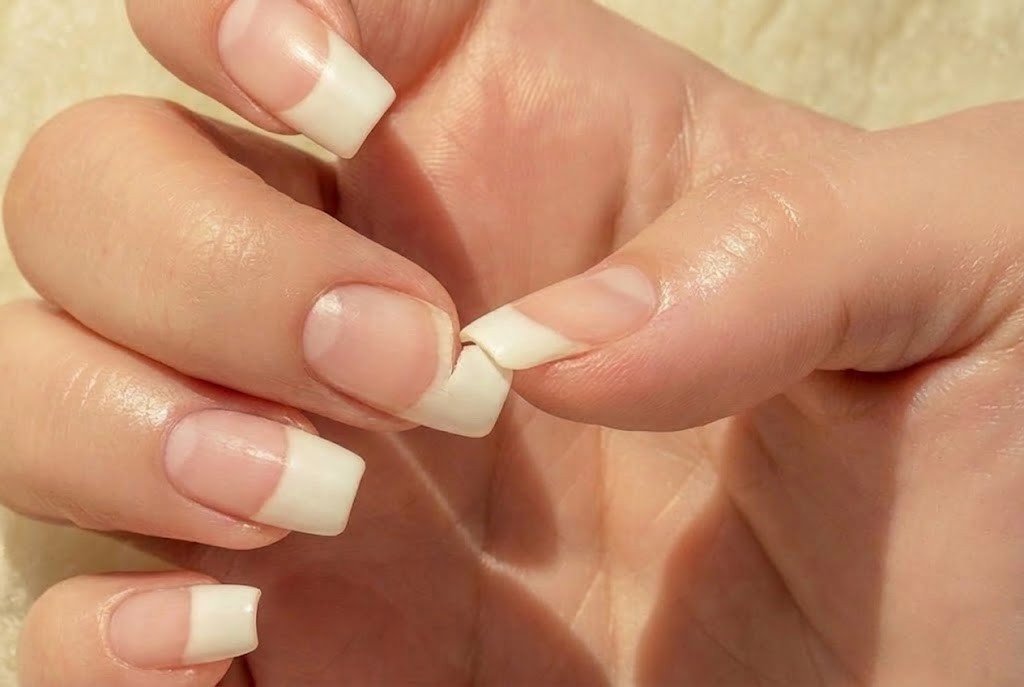
Along with knowing what to do is important to avoid habits that undo progress.
- Using hand sanitiser excessively. Alcohol-based sanitisers strip the nail plate and surrounding skin of moisture aggressively. Follow every application with a drop of cuticle oil or a rich hand cream if your job or lifestyle requires frequent sanitiser use.
- Skipping meals or under-eating. Your body treats nail growth as a non-essential the moment caloric or nutritional intake drops. Crash dieting, restrictive eating, or simply skipping meals regularly will show up in your nails before almost anywhere else.
- Wearing gloves without a cotton liner. Rubber or latex gloves trap heat and sweat against the nail, which softens and weakens the nail plate over time. Wearing a thin cotton glove liner underneath prevents this entirely.
- Leaving nail polish on until it chips off. Old, chipping polish pulls layers of the nail plate away with it. Remove polish properly with a gentle acetone-free remover before it reaches the chipping stage.
- Ignoring your dominant hand’s different needs. Dominant hand nails face more daily wear, water exposure, and friction than the non-dominant hand. Requiring extra oil and protection to keep pace with their naturally faster growth rate.
When Slow Nail Growth Deserves a Closer Look
Sometimes the nail is reflecting something happening internally that is worth investigating.
If your nails have been growing unusually slowly for several months despite good nutrition and care, mention it to your doctor. Nail growth is commonly affected by thyroid conditions, both underactive and overactive. In women’s anaemia, Iron deficiency is another frequent cause. Persistent nutritional deficiencies in zinc, protein, or overall calories can also suppress growth in ways that no topical treatment will fix.
You do not need to worry. Most of these are easily identified through a standard blood panel and straightforwardly addressed once found. Nails are just sometimes the first visible sign that something needs attention elsewhere.
Growing your nails is not about finding the one product that changes everything. It is about consistently giving your nail matrix what it needs to do its job, protein, circulation, protection, and time. Pick three of the twelve methods in this post that feel most manageable right now and do them every single day for six weeks before you judge the results. Most people see a real shift before that deadline.
Remember, nails are slow by nature. The goal is not to fight that. It is to remove every obstacle that is making them slower than they should be.
Once you have your growth routine running well, the next step is making sure your nails are strong enough to keep the length you have worked for.