Now Reading: How to Strengthen Nails: 9 Natural Methods That Work
-
01
How to Strengthen Nails: 9 Natural Methods That Work
How to Strengthen Nails: 9 Natural Methods That Work
How to Strengthen Weak and Brittle Nails Naturally
Quick Answer: How to strengthen nails? Focus on gentle handling, consistent hydration, and filling nutritional gaps, especially biotin, iron, and protein. Avoid prolonged water exposure, apply a nail strengthener or cuticle oil daily, and take breaks from gel or acrylic overlays. It almost takes four to six weeks for most weak nails to improve noticeably when the actual root cause is addressed with a consistent care routine.
There is something quietly demoralizing about watching your nails snap off just as they finally start growing. Especially when you file them carefully, try to be gentle, but still a corner breaks, a tip peels, any nail bends the wrong way and splits right down to the nail bed. It’s like your nails are not cooperating, no matter what you do. But you are definitely not alone.
This post walks you through the exact causes why nails become weak and brittle in the first place, because understanding the cause lets you treat them in the right way. It also covers nine proven ways to strengthen nails naturally, mentioning the mistakes that quietly undo all your progress, and reads the signs that your nails give, pointing to something worth checking with a doctor. Everything here is practical, specific, and based on how nails actually work, not generic advice you have already heard a hundred times.
In This Post
- Why Are My Nails So Brittle or Weak?
- How to Strengthen Nails: 9 Natural Methods That Work
- Mistakes That Make Weak Nails Worse
- When Your Nails Are Telling You Something More
- Frequently Asked Questions About Strengthening Weak Nails
Why Are My Nails So Brittle or Weak?
Before you can fix weak nails, make sure you know what actually broke them, and that is almost never just one thing. To treat nails in the best possible way, you need to target the real cause, and those causes tend to fall into two clear categories.
External Causes: Water, Chemicals, and Daily Habits
One of the most common reasons for nails becoming brittle is what your hands go through every single day.
Repeated wetting and drying is the biggest offender. Your nails absorb water and then dry out every time during dishes, hand-washing, and showering. The nail plate expands slightly and then contracts. The keratin layers inside the nail start to separate when you do that dozens of times a day. This causes your nails to peel in layers rather than breaking cleanly. They literally start delaminating from the inside.
Chemical products strip away the natural oils that keep the nail plate flexible, like harsh soaps, cleaning products, and acetone-based nail polish removers. That causes nails to become rigid and snap instead of bending. Gel and acrylic removal is one of the fastest routes to severe nail dehydration, especially when nails are soaked in acetone for a long time. Even how you file matters. Sawing back and forth across the nail tip creates micro-tears in the keratin structure that widen over time into full breaks and splits.
Internal Causes: Nutrition, Health, and Deficiencies
Weak nail reasons are not always external. Nails speak about what is happening inside your body.
Biotin deficiency: One of the most well-researched connections. Biotin, a B vitamin, plays a vital role in keratin production, the structural Protein which your nails are made of. Low biotin means thinner, more fragile nail plates.
Iron deficiency: Another significant factor. Iron deficiency brittle nails is an established clinical observation; low iron reduces oxygen delivery to the nail matrix, the tissue at the base of the nail where new nail cells are formed. Results in growing nails thinner and more prone to breaking.
Protein, zinc, and vitamin C contribute to nail strength in different ways. Protein provides the raw building blocks for keratin. Zinc supports cell growth in the nail matrix, and Vitamin C helps with the collagen production that keeps the nail bed healthy and supportive.
Thyroid imbalances, hormonal shifts, and certain medications can also affect nail texture and strength, which is why sometimes nails change suddenly with no obvious explanation.
How to Strengthen Nails: 9 Natural Methods That Work
Here are real practices that work when you apply them consistently. Not ten-second tips, but practices that work when you apply them consistently.
1. Hydrate Your Nails, Not Just Your Skin
Nails are porous; they absorb water and oil just like skin does. Most people moisturize the skin around their nails and stop there. The nail plate itself needs hydration, too. If you want to go further, consistent hydration is also one of the most effective foundations for making your nails grow faster.
Apply cuticle oil, ideally one containing jojoba, vitamin E, or argan oil, directly onto the nail plate and massage it into the cuticle and nail fold. Do this regularly every evening. Within two to three weeks, you will notice the nail plate becomes more flexible and less prone to snapping. Flexibility is strength. A healthy nail bends slightly without breaking.
If cuticle oil feels like a step too far right now, pure almond oil or even olive oil works as a starting point.
2. Trim and File the Right Way
Short nails break less. That is not a limitation; it is a strategy. While you are rebuilding nail strength, keeping nails at a manageable length reduces the breaking leverage.
When you file, always move in one direction only from the outer edge toward the center on each side. Never saw back and forth. Use a fine-grit nail file rather than a coarse metal one, and never file on a dry nail right after washing your hands. Wet nails are far more vulnerable to tearing.
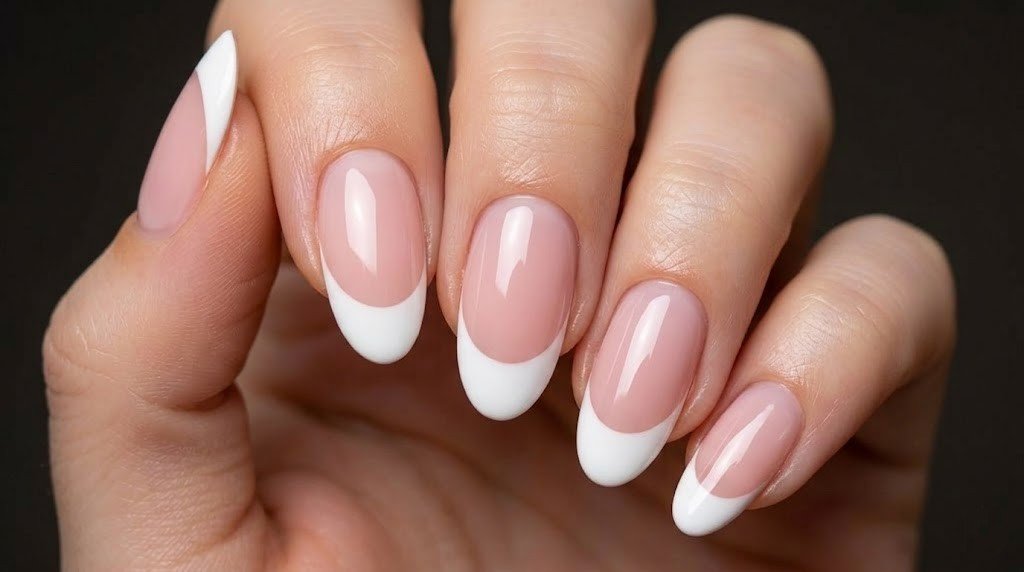
Round or oval shapes distribute pressure more evenly across the nail tip than square edges do. Square corners catch on things and create the side breaks that are so frustrating to deal with.
3. Take Cuticle Care Seriously
The cuticle is not just a cosmetic concern. It is a seal. It protects the nail matrix, the living tissue where your nail actually grows, from bacteria, water, and environmental damage. When cuticles are cut aggressively or pushed back too hard, that seal breaks, and the nail matrix becomes vulnerable.
After a warm shower, when cuticles are soft, gently push them back with a rubber-tipped cuticle pusher; do not cut them. Apply cuticle oil immediately after. This protects the foundation of every new nail cell your body is growing right now.
4. Add Biotin and Key Vitamins to Your Routine
Here, supplementation becomes worth discussing. The most studied supplement for nail strength is biotin. According to the National Institutes of Health, biotin supplementation has been studied for its role in improving nail thickness and reducing brittleness in people with a deficiency.
A typical effective dose is 2.5mg daily according to studies. Results take time, nails grow slowly, so expect eight to twelve weeks before you see meaningful change in the nail plate.
Alongside biotin, consider whether your diet is giving you enough iron, zinc, and protein. A varied diet with leafy greens, eggs, lean meat, legumes, and nuts covers most of these bases without needing individual supplements for each one.
5. Wear Gloves for Household Work
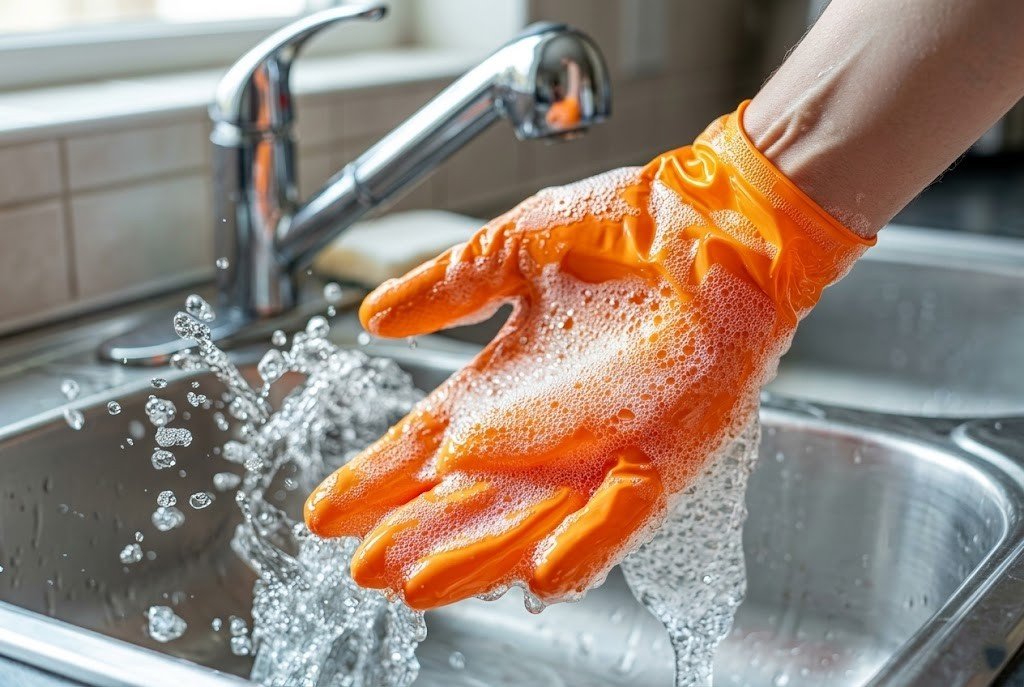
This one change alone can transform nail health within a month. Avoid prolonged water exposure and direct contact with harsh chemicals. Rubber or nitrile gloves during dishes, cleaning, and gardening protect nails. Keep a pair of gloves near every sink. That small habit removes the single biggest daily source of nail dehydration and chemical damage from your daily routine entirely.
6. Take a Break from Gel and Acrylics
Gel and acrylic overlays are not inherently damaging when applied and removed correctly. But repeated application and removal, especially improper removal, strips the nail plate down over time. The outermost layers of keratin are taken away with each removal cycle.
About eight weeks of break from gel and acrylic is needed for the nail plate to recover if your nails are weak. Apply a nail strengthener and cuticle oil consistently during that time. You will be amazed at how much the nail plate can rebuild when it is not being assaulted every few weeks.
When you are ready to go back, make sure you know how to apply acrylic nail tips correctly to avoid repeating the damage.
7. Use a Nail Strengthener Correctly
Not all nail strengtheners work the same way. Hardeners containing formaldehyde make the nail plate more rigid than flexible, causing more brittleness over time. Use strengtheners with hydrolyzed wheat protein, calcium, or keratin instead.
Use your nail strengthener as a base coat twice a week, not daily. Let the nail breathe between applications. Make sure to remove it fully before reapplying buildup.
8. Look at What Your Diet Is Doing
Nails are made almost entirely of keratin, which is a protein. Your body simply does not have the raw materials to build strong nails if your diet is consistently low in protein, which is common in restrictive eating patterns. It is not complicated, but it is often overlooked.
Eggs are one of the most nail-friendly foods available. They contain biotin, protein, zinc, and vitamin D in one package. Salmon provides omega-3 fatty acids that keep the nail bed healthy and well-lubricated from the inside. Spinach and lentils cover your iron needs. Sweet potato adds vitamin A, which regulates cell turnover in the nail matrix.
You do not need a complicated diet. Only three to four of these foods appearing regularly in your weekly meals make a real difference over time.
9. Change How You Use Your Hands
Using your nails as tools to pry open cans, scrape stickers, and type with force creates repeated stress on the nail tip and free edge. That stress accumulates into micro-fractures that eventually become full breaks.
Type with the pads of your fingers, not your nail tips. Open packages with a key or an actual tool. These minor adjustments remove a significant daily source of nail plate stress, especially while your nails are in recovery.
Mistakes That Make Weak Nails Worse
Knowing what to do only gets you halfway there until you know the habits that quietly undo all your progress.
- Peeling off gel polish instead of soaking it off. When you peel or pick gel from the nail, you pull away the top layers of the nail plate with it. Every peel removes real keratin that your body spent weeks building. Only one peeling session can set your nail recovery back significantly.
- Skipping gloves because it feels inconvenient. Here, consistency matters more than intensity. Ten minutes of unprotected dishwashing every day does more cumulative damage than an occasional nail-salon mistake. The glove habit is one of the highest-impact changes you can make.
- Over-filing to keep nails even. When one nail breaks and you file the rest down to match, you also remove healthy nail plates from nails that do not need them. Instead, let the other nails grow and simply manage the broken one with a nail tip or a tea bag repair until they even out naturally.
- Applying hand lotion and stopping there. Hand lotion is not a substitute. Most hand lotions sit on the surface of the skin. They do not penetrate the nail plate in meaningful amounts. Cuticle oil is specifically formulated to absorb into the nail,
- Taking biotin without addressing the actual cause. Biotin helps if biotin deficiency is your issue. But biotin alone will not fix them if your nails are weak because of gel damage, water exposure, or iron deficiency. Always treat the root cause alongside any supplementation.
- Cutting cuticles instead of moisturizing them. Every time a cuticle is cut, the body grows it back thicker as a protective response. Cuticles also create small openings that allow bacteria and moisture imbalance to affect the nail matrix directly.
When Your Nails Are Telling You Something More
Most of the time, weak and brittle nails are simply a lifestyle and nutrition issue fixable with the methods above. But sometimes nails change in ways that deserve a closer look from a doctor or dermatologist.
If you notice sudden and unexplained brittleness that appears alongside other symptoms like hair thinning, fatigue, or cold sensitivity, it is worth speaking to your doctor about thyroid function. Hypothyroidism commonly affects nail texture.
Iron deficiency brittle nails that do not improve with dietary changes suggest a blood test is overdue. Low ferritin, the stored form of iron, is frequently missed in standard testing unless specifically requested.
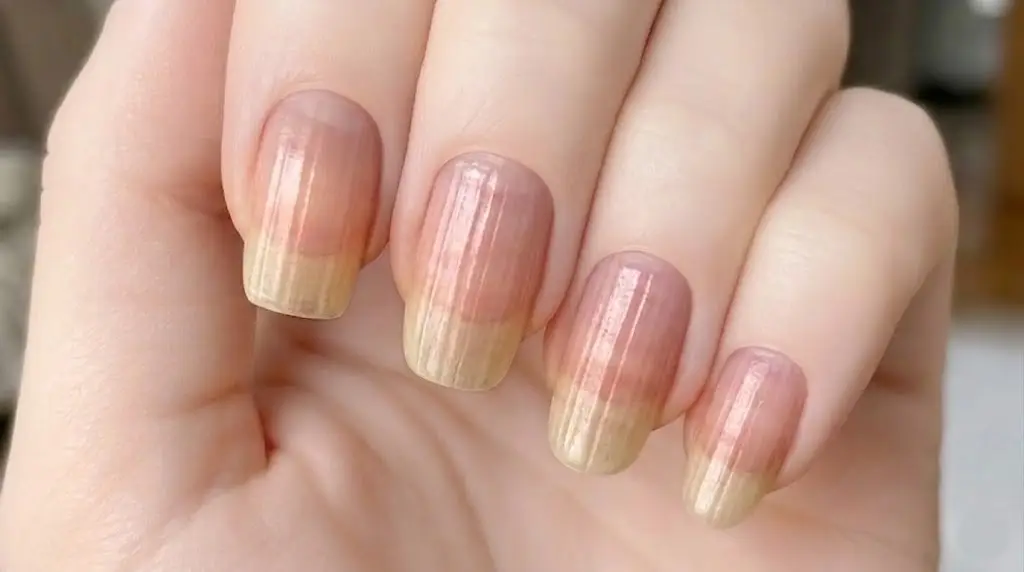
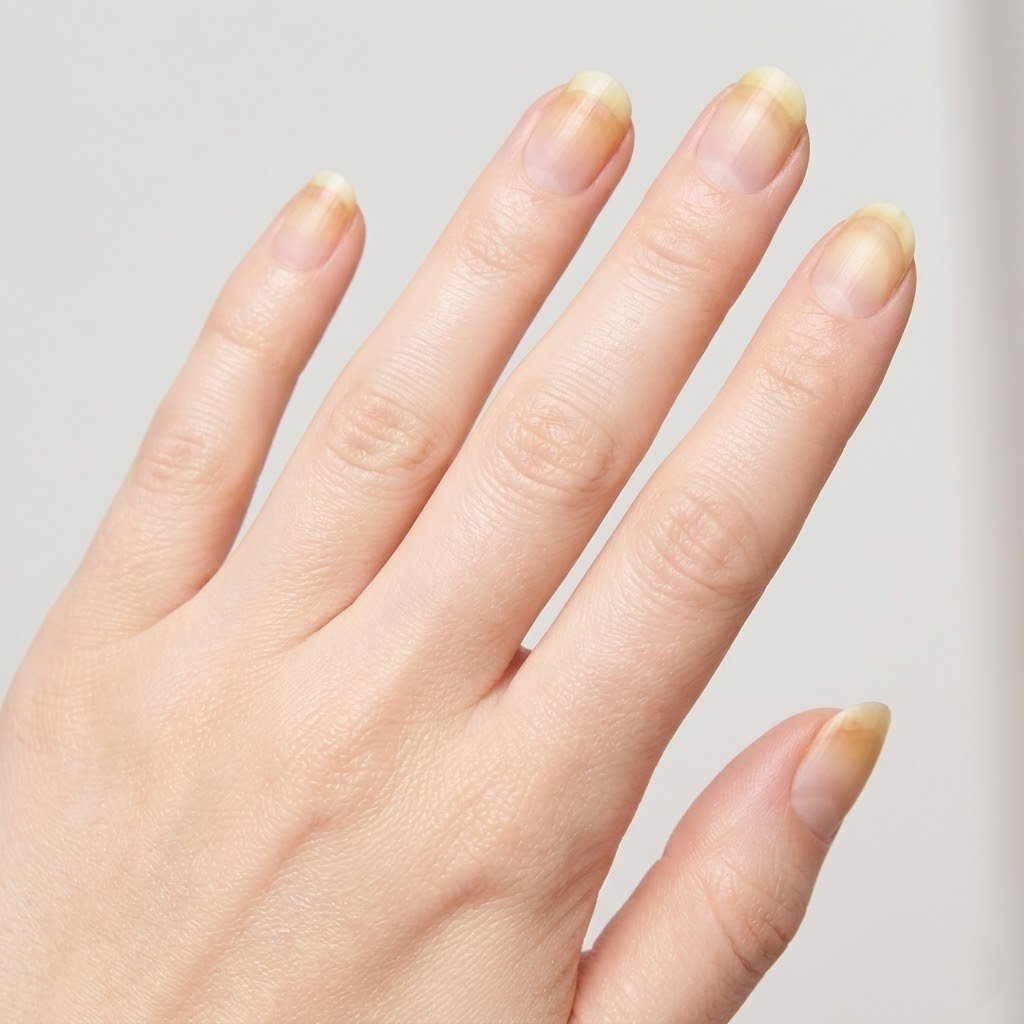
Nails that have changed color, developed unusual ridging, started separating from the nail bed, or show pitting should always be evaluated by a dermatologist. These changes can occasionally signal systemic conditions that show up on nails before they show up anywhere else.
Get it checked when in doubt. A dermatologist can rule out anything that needs medical attention by assessing your nail plate and nail matrix properly. Ridges that appear suddenly or worsen quickly deserve closer attention. Here is what vertical and horizontal nail ridges mean and when to take them seriously.
Conclusion
Weak nails are genuinely fixable, but they need consistency more than they need products. The biggest shift most people make is stopping the damage first: gloves on for dishes, cuticle oil on every evening, filing in one direction only. Everything else builds from that foundation. Nails grow slowly, and they show results slowly, too. Give it six weeks of honest effort before you decide nothing is working. They do respond; the nail matrix is always growing new cells, and every good habit you build now is quite literally being built into your next nail.
When you are ready to go deeper, understanding your nail’s nutritional needs is the natural next step.