Now Reading: How to Push Back Cuticles Safely and Keep Them Healthy
-
01
How to Push Back Cuticles Safely and Keep Them Healthy
How to Push Back Cuticles Safely and Keep Them Healthy
How to Push Back Cuticles Without Damaging Them
Cuticles can be quietly frustrating. They ruin your manicure look by slowly moving forward into your nail plate. Dealing with them yourself either ends up with ragged skin or tiny stinging cuts. No one teaches you this properly. You figure it out yourself, or you don’t. This keeps you making the same small mistakes.
This post walks you through exactly how to push back cuticles at home without causing those painful and annoying little tears along the nail fold. You will also find out exactly why cuticles get dry and overgrown in the first place, how cuticle oil actually contributes to cuticle care, and when trimming is acceptable versus when it is best left alone. Here, everything is practical, specific, and based on how nails actually work, not generic advice recycled from every other beauty site.
Quick Answer: For better results, push back cuticles safely. Start by soaking your hands. Use warm, not hot, water. It takes up to 5 minutes. Then, on each nail, apply only a few drops of cuticle oil or cuticle softener, then use a rubber-tipped or wooden orangewood pusher to gently nudge the cuticle toward the base of the nail using small circular motions. Never push dry cuticles and never use metal tools with force. Afterwards, use a few drops of cuticle oil or any moisturiser to protect the nail fold.
In This Post
- What Are Cuticles and Why Do They Matter
- How to Push Back Cuticles the Right Way
- Cutting vs. Pushing – Which One Is Actually Better
- What Cuticle Oil Does and Whether You Need It
- Why Cuticles Become Dry and Overgrown
- Mistakes That Damage Cuticles Over Time
- When Your Cuticles Are Telling You Something More
What Are Cuticles and Why Do They Matter
The cuticle, as just the skin around the base of the nail, is partly right, but the full picture is more interesting, and how you treat them is based on how much you understand.
The cuticle is a thin, translucent layer of dead skin that grows from the proximal nail fold, the soft skin at the base of your nail and grows forward, attaching itself to the nail plate. It acts as a seal between the nail fold and the nail plate. Being protective, cuticles keep moisture in and bacteria, fungi, and environmental irritants out. Without that seal, the nail matrix becomes vulnerable.
The nail matrix is essentially the factory that builds your nail. Nail matrix weekend when cuticles are removed aggressively. The quality of the nail plate is directly affected if its tissues are disrupted repeatedly, which leads to a slower nail growth rate and long-term nail health.
Clarify that the dead tissue layer on the nail plate surface is a true cuticle, which you can visibly see. The eponychium is the soft ridge you feel at the very base of your nail. It is the living skin of the nail fold itself. Pushing back cuticles is safe and beneficial. Cutting into the living eponychium is not, and unfortunately, many people do not know the difference between pushing back cuticles, which is safe and cutting the living eponychium, which is not.
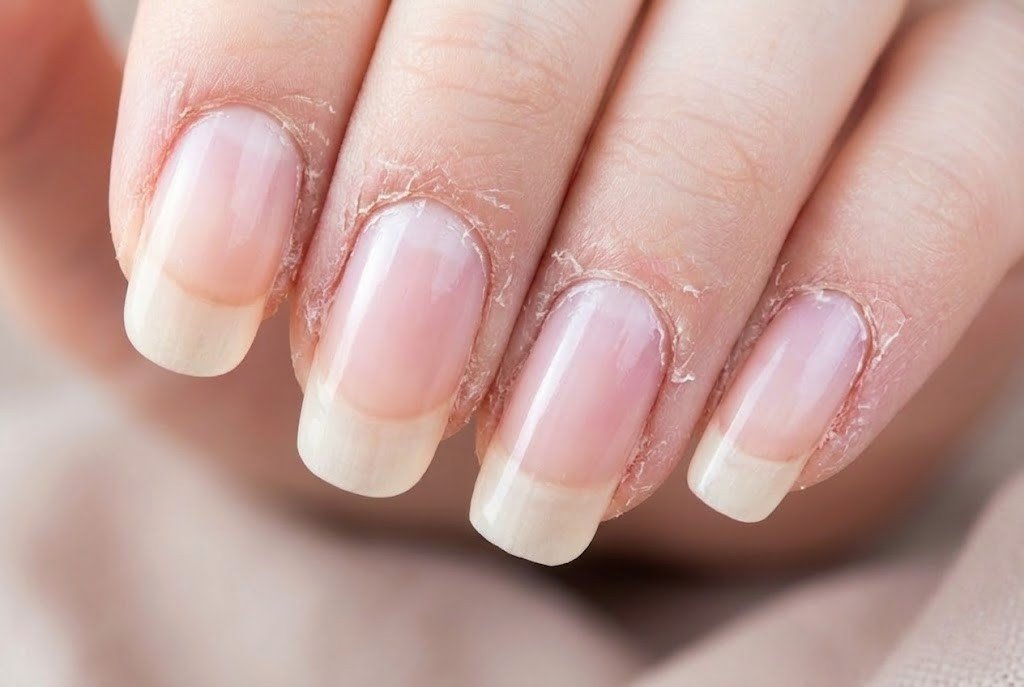
If your cuticles are rock-hard or peeling, pay attention; they are not healthy. The healthy cuticles are never ragged; rather, they are smooth. What makes a real difference in pushing back cuticles is a consistent cuticle care routine.
How to Push Back Cuticles the Right Way
Getting this technique right is about patience. Rushing causes most of the damage. Almost ten minutes are required for the whole process when done properly, and your nails will look noticeably cleaner and longer immediately afterwards.
Step 1: Soften First
This step is non-negotiable. One of the most common mistakes people make is pushing dry cuticles, and almost every time it causes tearing, pain, and inflammation around the nail fold.
The easiest way to soften cuticles is to soak them in warm water. Fill a small bowl with warm water, not hot, then rest your fingers in it for five to ten minutes. Adding a few drops of any gentle oil to speed up the softening process. Pliable tissue can be moved without resistance.
Here’s how to soften cuticles more effectively before pushing. On each fingertip, apply a dedicated amount of cuticle softener or remover gel for two to three minutes. Doing it before soaking works well. The acids present in these products, like lactic acid or urea, easily break down the keratin in the dead cuticle tissue. Rinse hands thoroughly before soaking.
Do not push cuticles without softening them first. Dry pushing causes more damage and pain.
Step 2: Choose the Right Tool
Two tools are genuinely worth using. Other options are either unnecessary or risky for home use.
Orangewood stick: A wooden cuticle pusher with an angled flat tip. Gentle, inexpensive, and disposable. This is the right starting point for anyone new to pushing back cuticles or anyone with sensitive skin around the nail fold. The wood has just enough give that it will not dig into the nail bed if your pressure is slightly off.
Rubber-tipped cuticle pusher: A more durable option. A soft rubber end that makes accidental gouging nearly impossible. Most nail technicians recommend this tool for home use because the rubber tip provides resistance feedback, you can feel when you are pushing too hard before you cause any damage.
Metal cuticle pushers exist and are used professionally, but they require a level of pressure control that takes practice to develop. For home use, wood or rubber is the safer call every time.
Step 3: The Pushing Technique
To soften your cuticles, firstly place the area where the cuticle meets the nail plate on the flat tip of your tool. Instead of one firm push, do it gently in a circular motion to push the cuticle backwards and slightly upward.
When the cuticle is soaked properly, it moves easily if you apply little pressure with minimal effort. Let softening take time if it is resisting. If your cuticles don’t feel soft, put your fingers in warm water for three more minutes.
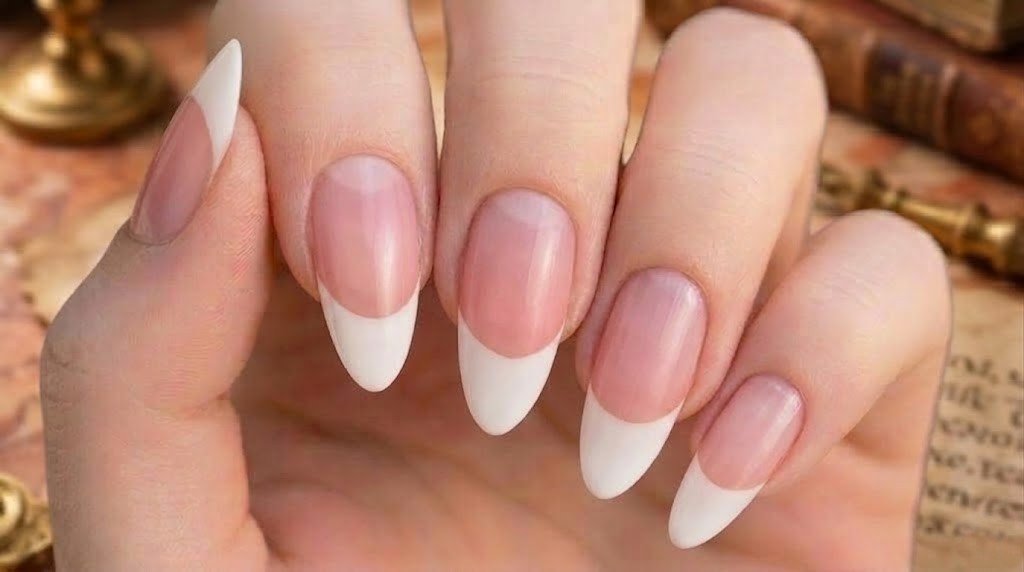
Work across the base of your nails until you’ve completely pushed back the cuticles. If your cuticles are overgrown, apply two to three gentle pushes. If you see the natural half-moon shape, the lunula, appearing at the base of the nail emerging cleanly, you have done enough.
Step 4: Finish and Moisturise
Wash your hands with soap and warm water thoroughly to remove residue left after you have pushed back cuticles. To lock moisture in the nail fold, apply cuticle oil immediately or any rich hand cream on slightly damp skin.
Follow this final step to make your nails naturally good. Gently massage the cuticle area with the oil or cream. Apply oil on the nail folds on both sides of each nail and the nail plate itself.
Cutting vs. Pushing, Which One Is Actually Better
This debate comes up constantly, and the answer is less complicated than the internet makes it seem.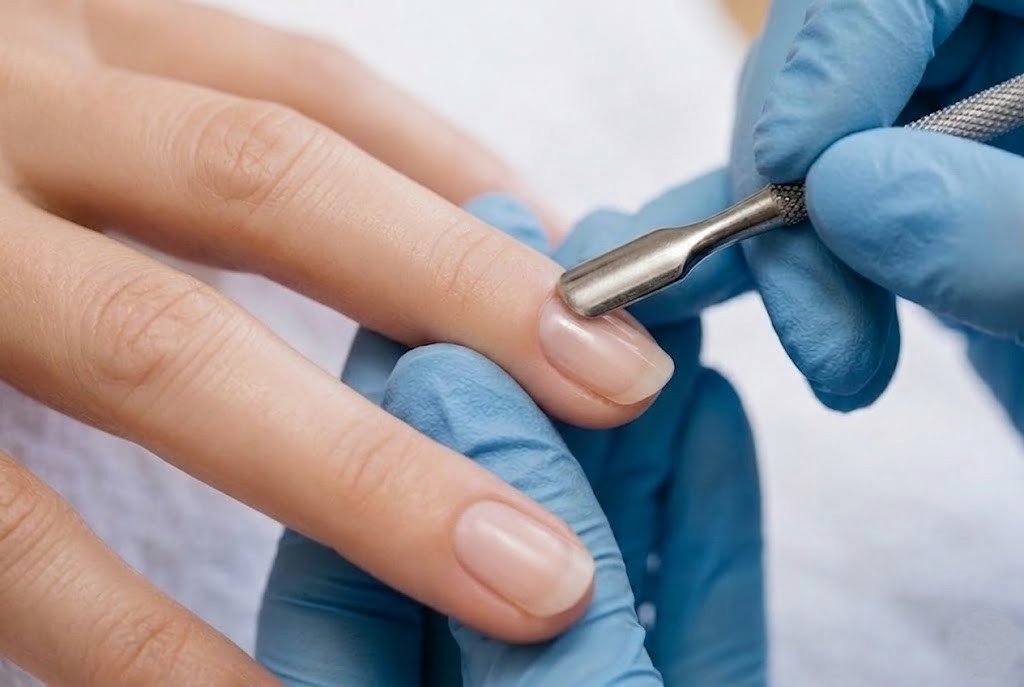
Pushing back cuticles is always the first-line approach. It contributes to tidying the nail by removing the dead cuticle tissue from the nail plate surface. Maintains the protective seal between the nail fold and the nail plate without disrupting any living tissue. Pushing alone can keep cuticles neat if it’s done correctly and regularly.
Cutting means using cuticle nippers to trim the cuticle. This is relevant only in two specific situations. One when a hangnail develops: a small torn piece of skin that has separated from the nail fold and can catch fabric, snag painfully, or become infected if left alone. Nipping that specific piece cleanly with sharp, sterile nippers is appropriate and sensible. Second, when excess dead tissue remains after pushing that genuinely cannot be pushed back. Not because you pushed wrong, but because it has built up significantly over time.
You should never cut the living skin of the eponychium, the nail fold itself. This creates wounds around the nail fold that invite bacteria. The skin grows back thicker and faster if cut repeatedly; this ends up needing to be cut more frequently over time, not less.
According to the American Academy of Dermatology, cutting cuticles can increase the risk of nail infection and is generally not recommended as a regular practice. (aad.org)
Push first, always. Trim only what genuinely cannot be pushed.
What Cuticle Oil Does and Whether You Need It
Cuticle oil stops feeling optional when you understand what it is actually doing.
The nail fold and the cuticle area have relatively few sebaceous glands compared to other skin on the hand. This means they dry out faster and have less natural protection against moisture loss. Cuticle oil compensates for that by delivering concentrated emollient ingredients directly to the area that needs them most.
Good cuticle oils work in two ways. They moisturise the surface of the cuticle and nail fold, preventing dryness, cracking, and peeling. And they improve flexibility and reduce the brittleness that leads to breakage by penetrating into the nail plate itself. Jojoba oil in particular has a molecular structure close to the skin’s natural sebum, which is why it absorbs quickly without leaving a greasy residue. Beauty editors at Byrdie consistently highlight jojoba oil as one of the most effective ingredients in cuticle care for exactly this reason.
Regular cuticle oil use keeps the tissue around the nail matrix healthy and well-nourished, which genuinely supports nail growth. A stressed, dry nail fold means a stressed nail matrix, and that shows up in nail plate quality over time. For best results, apply it at night before bed. Massage each cuticle and nail fold with a small amount of cuticle oil. Two or three drops per hand are enough.
You genuinely need cuticle oil if your cuticles are consistently dry, peeling, or rough. If your nails are healthy and your hands stay well-moisturised naturally, a good hand cream applied regularly can do much of the same work.
Why Cuticles Become Dry and Overgrown
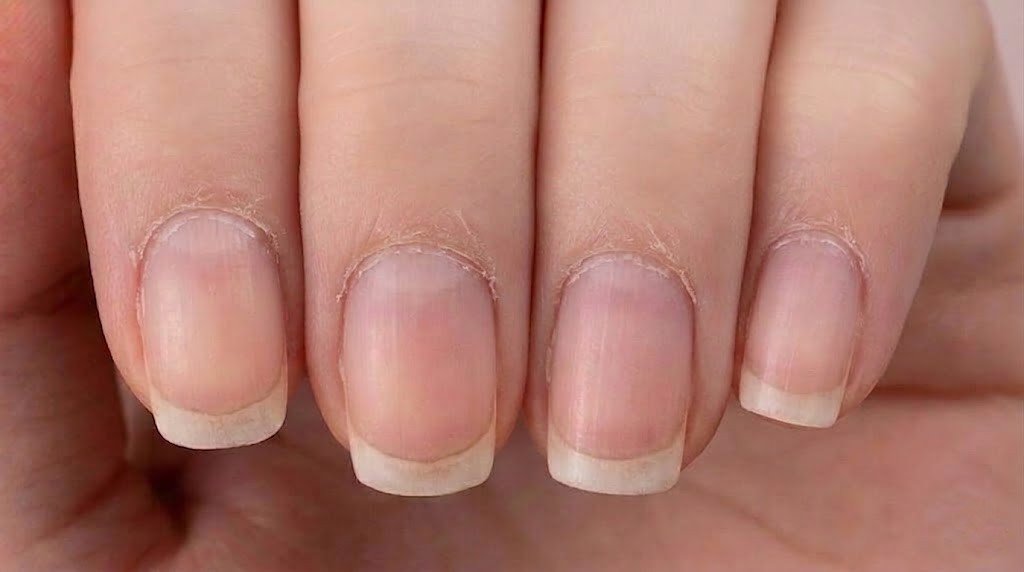
Dry cuticles and overgrown cuticles are two slightly different problems with some overlapping causes.
Dry cuticles. Prolonged water exposure and chemicals in soap cause cuticles to dry, particularly in hot water. Exposure to water while doing dishes, repeatedly washing hands, and alcohol-based hand sanitisers highly contribute to drying cuticles. Acetone polish also affects not just the nail plate but the surrounding skin every time it is used.
If your cuticles only get bad in winter, this is almost certainly because dry cold drives moisture out of the skin.
Overgrown cuticles happen when the cuticle is not being pushed back regularly. Dead tissue continues growing forward across the nail plate. They can also grow more prominently when the surrounding skin is dry. Dry, tight skin tends to adhere more stubbornly to the nail plate rather than sitting neatly at the base.
Biting the skin around your nails removes the cuticle unevenly and damages the nail fold, which triggers the surrounding skin to thicken as a protective response. This creates more rough, excess tissue over time, not less.
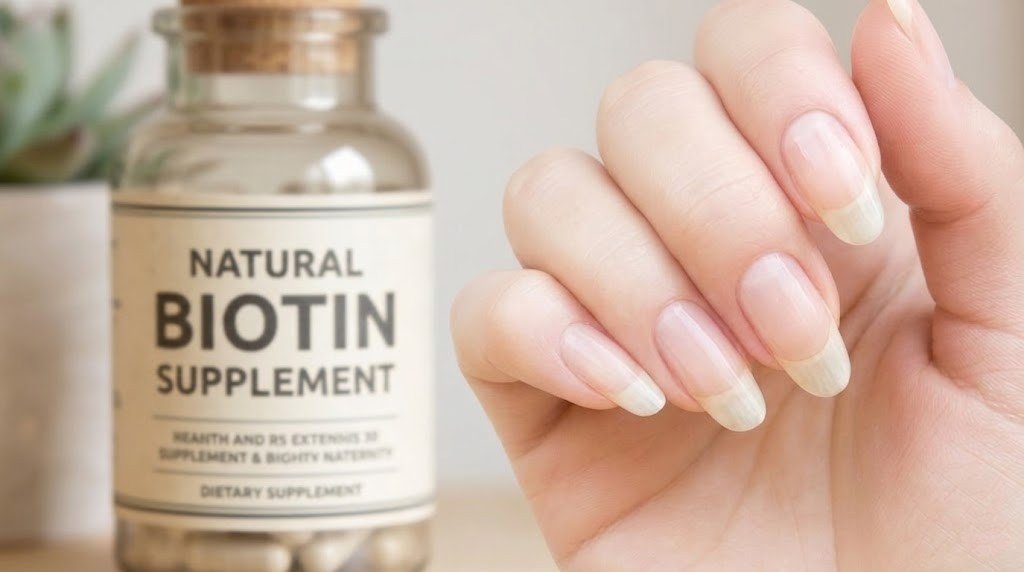
Diet plays a smaller but real role. Vitamin E, biotin, and essential fatty acids all contribute to the overall condition of the skin and nails. Consistently poor nutrition shows up in cuticle health eventually, though cuticle dryness alone is rarely a nutritional issue unless other symptoms are present.
Mistakes That Damage Cuticles Over Time
- Pushing without softening first. Pushing back dry cuticles without softening causes the most immediate consequences. Dry cuticle tissue tears even when gentle pressure is applied to an unsoftened cuticle, which can cause small splits in the nail fold that are painful, slow to heal, and prone to infection.
- Using a metal pusher with too much force. Applying too much pressure with a metal cuticle pusher can gouge the nail bed and cause grooves or ridges in nail growth that take months to grow out.
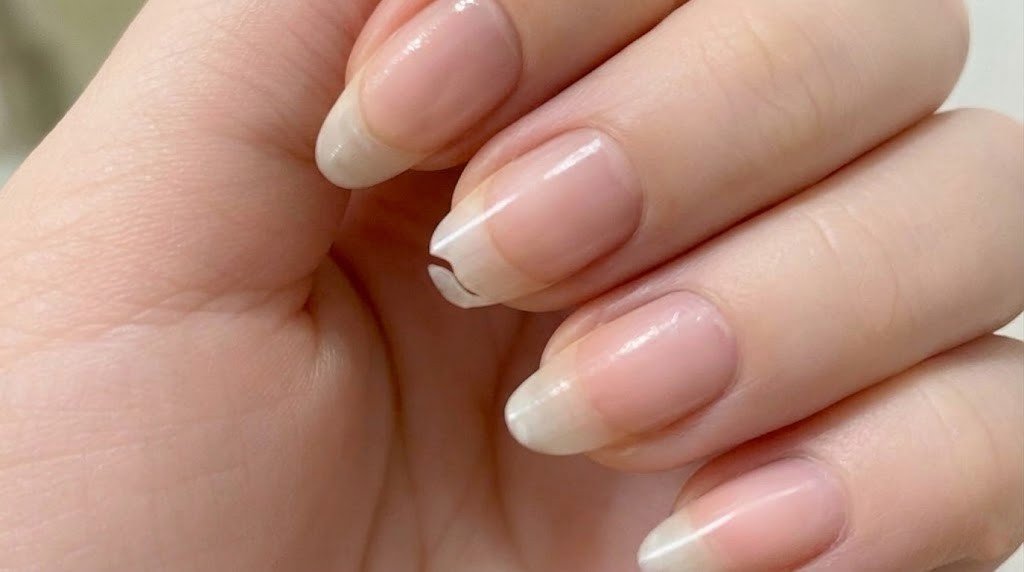
- Cutting the nail fold instead of the cuticle. Living skin acts as a protective barrier at the base of the nail. Trimming living skin rather than dead cuticle tissue breaks that barrier. This is how paronychia, a bacterial or fungal infection of the nail fold, begins. If you notice redness, swelling, or warmth around the nail fold after cutting, take it seriously.
- Pushing back cuticles too aggressively or too frequently. For most people, doing it once a week during a manicure is appropriate. Pushing daily with force stresses the nail fold and can cause chronic inflammation over time.
- Skipping moisture after the process. The skin surface is disrupted temporarily when cuticles are pushed, and finishing without any moisturiser or cuticle oil leaves that area exposed and more prone to dryness and peeling in the days that follow.
- Using cuticle remover and leaving it on too long. Cuticle remover products contain ingredients that break down keratin. Left on longer than directed, they can irritate and damage the healthy skin of the nail fold. Always follow timing instructions and rinse thoroughly.
If a cuticle tear or aggressive removal has left your nail damaged, read our guide on how to fix a broken nail at home.
When Your Cuticles Are Telling You Something More
Following a cuticle care routine at home through regular pushing, moisture, and a gentler hand-washing routine addresses most cuticle problems. But some signs may speak more.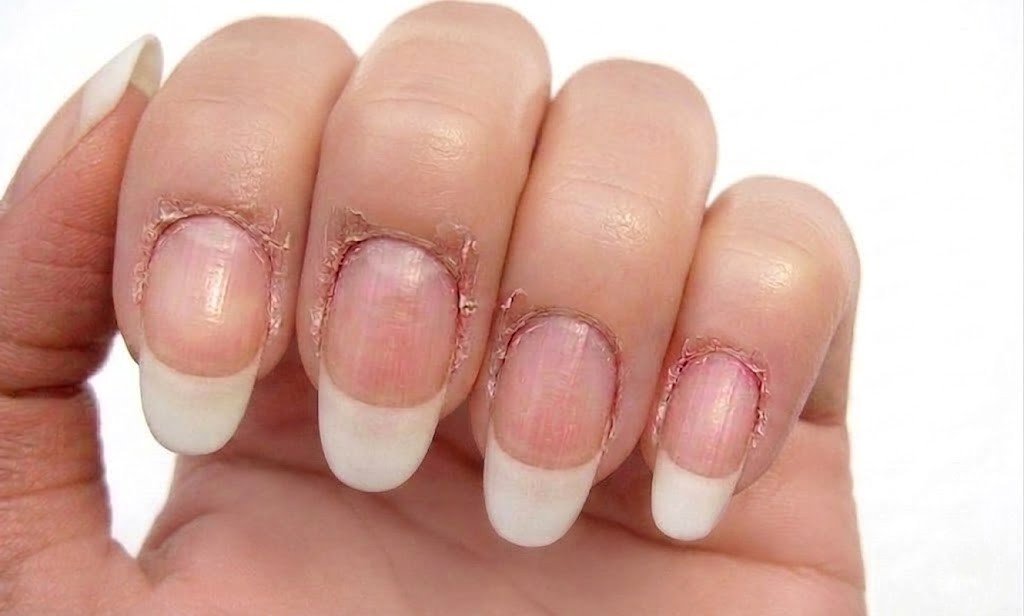
- Persistent redness, swelling, or warmth around the nail fold that does not resolve within a few days may be a sign of an underlying problem that is worth speaking to a doctor or dermatologist. These can be early signs of paronychia, which is a nail fold infection that occasionally needs antibiotic treatment.
- Cuticles that bleed and peel constantly despite consistent moisturising can sometimes signal an underlying skin condition like eczema or psoriasis that affects the nail area. A dermatologist can distinguish between a care issue and a skin condition quickly.
- Significant changes in the nail fold tissue, like thickening, colour changes, or separation from the nail plate, are always worth having looked at professionally. The nail fold and the tissue around the nail matrix give doctors useful information about overall health that goes beyond nail care.
Cuticle care is not complicated or time-consuming. A consistent routine of a five-minute soak, a gentle push with the right tool, and a drop of cuticle oil afterwards is genuinely enough to keep the nail fold healthy and the nail plate looking clean. This also keeps those persistent dry patches from coming back. Once you know how to push back cuticles the right way, it takes less than ten minutes for the whole process, and your nails show the difference within a week. The difference between nails that look cared-for and nails that look neglected is often this one small habit done consistently rather than perfectly.
If you are building a full nail care routine and want to understand how cuticle health connects to nail strength and growth, take a look at our guide to strengthening weak and brittle nails. It covers the nail structure side of things in depth and pairs naturally with what you have learned here.