Now Reading: Biotin for Nail Growth: Does It Really Work?
-
01
Biotin for Nail Growth: Does It Really Work?
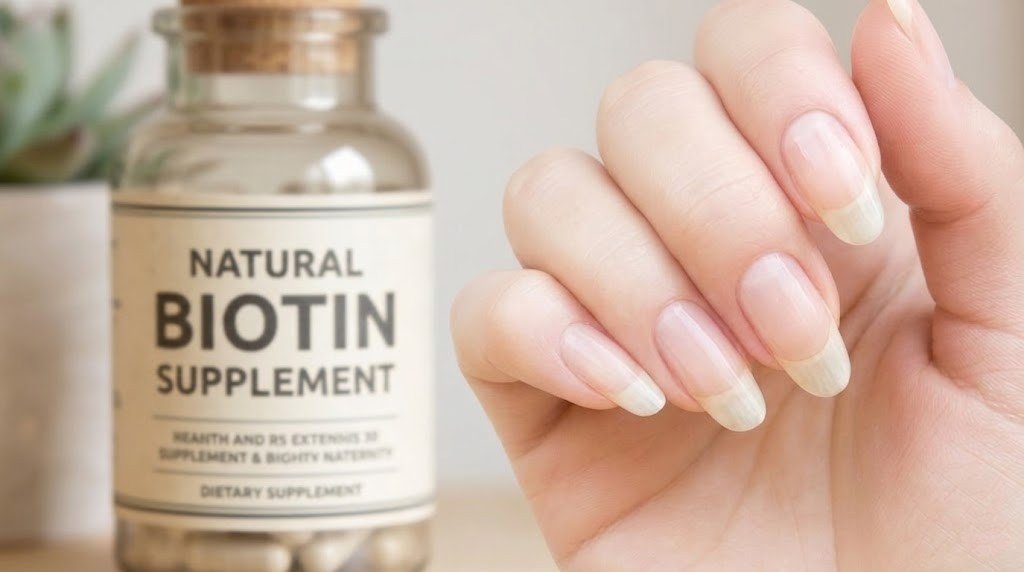
Biotin for Nail Growth: Does It Really Work?
Biotin for Nail Growth: Does It Really Work? Science and Dosage Explained
Quick Answer: Biotin, actually vitamin B7, contributes to improving nail thickness and reduces brittleness, but only if your nails have a biotin deficiency. Research says that in people who have a biotin deficiency, it can improve the thickness of the nail plate by 25%. Women with good nail health get limited results. A daily dose of between 2,500 and 5,000 mcg is sufficient to support nail growth.
Your nails split, snap, or peel off repeatedly at the worst possible moments. You tried biotin for nail growth on someone’s advice or just tested the bottle sitting in your cabinet, and now you’re confused about whether it is working or not, or you just swallowed expensive supplements for no real reason.
That is a common frustration. That frustration is more common than you’d think, and the answer is that biotin supplements genuinely have more nuanced results than most other supplement bottles. This post covers what biotin for nail growth actually contributes and what it can’t, what research shows, and what the right dose for you is. After reading, you’ll know whether it needs a place in your diet or whether you’re missing something else.
In This Post
- What Biotin Actually Is and Why Your Nails Need It
- Does Biotin Actually Work for Nail Growth?
- Why Are My Nails So Brittle in the First Place?
- How Long Does Biotin Take to Work on Nails?
- The Best Vitamins for Nail Strength Beyond Biotin
- Biotin Dosage for Nails – How Much Is Actually Enough
- Mistakes That Slow Down Your Nail Growth Results
- When Your Nails Are Telling You Something More
What Biotin Actually Is and Why Your Nails Need It
Biotin is a B vitamin, specifically vitamin B7, that your body tissues use constantly. It directly contributes to converting food into usable energy, and it plays a vital role in the production of keratin that actually makes up your hair, skin, and nails.
Producing keratin is the reason why biotin is related to nail growth. The hard visible part of your nail, called the nail plate, is entirely made up of keratin. The nail matrix produces new cells, which sit just beneath the skin at the base of your nail. A steady supply of keratin-supporting nutrients, including biotin, is required for the formation of those cells.
Biotin is soluble in water, so excess amounts are flushed out so it is not stored in the body in large amounts. Richest food sources of biotin include eggs, salmon, sweet potato, nuts, and seeds, but most people do not eat reasonably varied diets that prevent outright deficiency.
Certain factors like pregnancy, prolonged antibiotic use, digestive conditions that impair nutrient absorption, and heavily processed diets can all quietly drop levels of biotin in your body, and biotin deficiency is felt by nails first.
Does Biotin Actually Work for Nail Growth?
The real answer to this question is yes, but with a significant condition attached.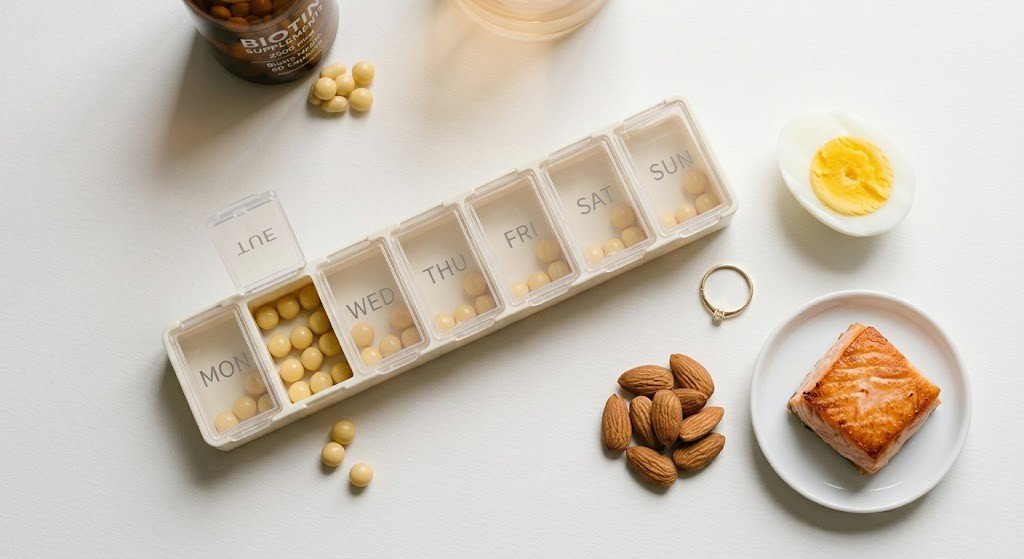
What the Studies Show
Research from a Swiss study published in the late 1980s found that biotin supplements for nail growth showed up to a 25% increase in the thickness of the nail plate for patients with brittle nails. A follow-up study in the Journal of the American Academy of Dermatology reported that 63% of patients who took biotin saw measurable improvement in nail firmness and reduced splitting.
These results are impressive for the right person. In both studies, biotin was tested on already brittle, weak, or splitting nails and not tested to see if biotin contributes to healthy nails growing faster. The test was to check whether biotin could restore damaged or deficient nails to normal function.
According to the American Academy of Dermatology, biotin is one of the few supplements that are documented with evidence for improving nail health, though they note that more large-scale clinical research is still needed.
Who Actually Sees Results and Who Doesn’t
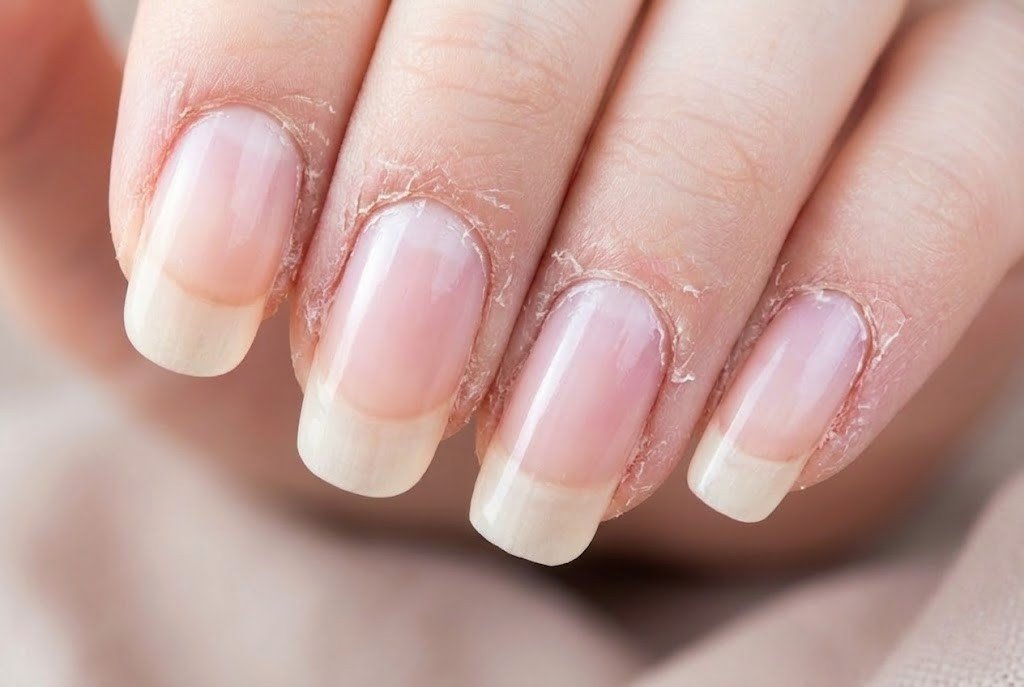
Biotin supplementation is likely to make a noticeable difference for brittle, thin, peeling, or consistently breaking nails that risk any factors for low biotin levels. Factors like restricted diet, digestive issues, or high alcohol intake.
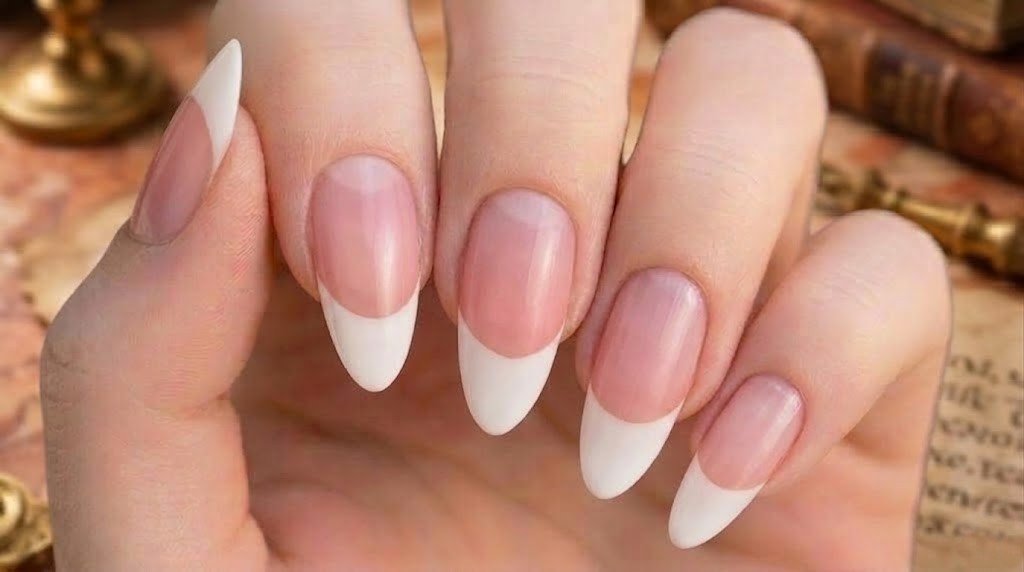
Biotin probably is not the right choice if you already have healthy nails and you want them to grow faster. According to research, biotin is not a nail growth accelerator in people who are already replete. Nail growth speeds up by circulation, overall nutrition, age, and the health of your nail matrix.
Most biotin marketing collapses these two very different situations into one promise. That distinction matters enormously. They are not the same
Why Are My Nails So Brittle in the First Place?
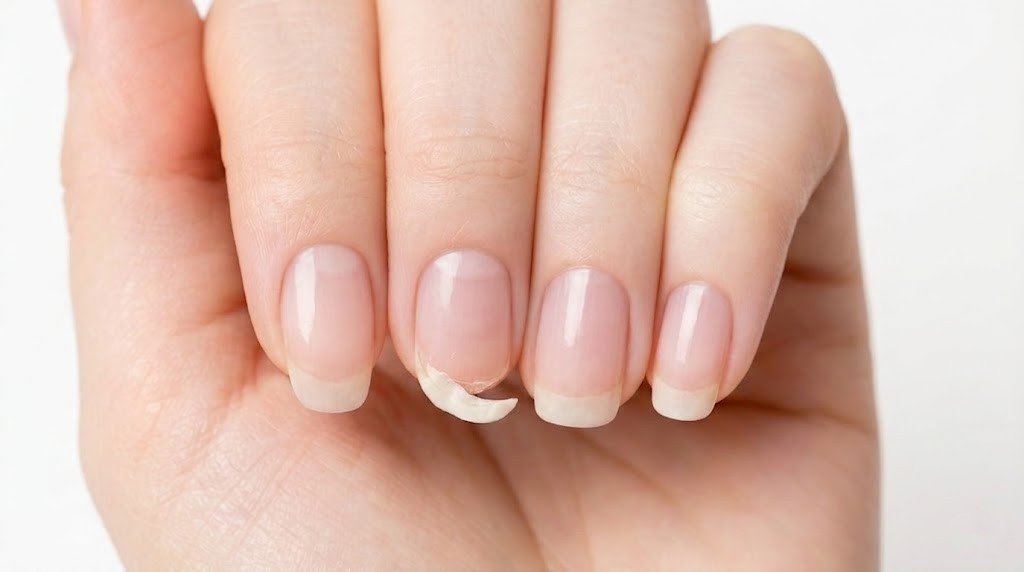
Make sure to know the cause behind your breaking nails before investing in any supplements. A biotin supplement for brittle nails makes the most sense when deficiency is a realistic possibility.
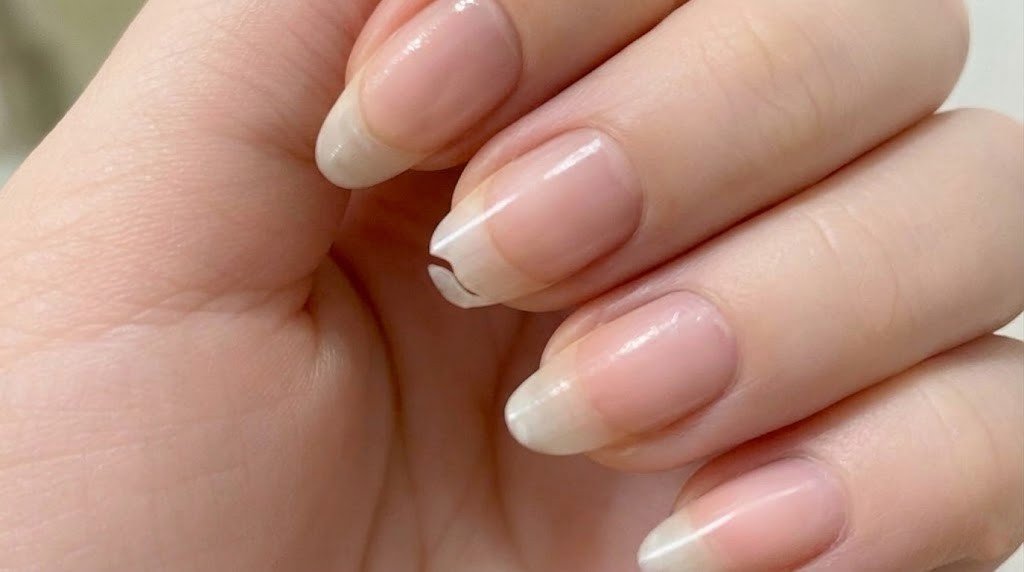
Low biotin is one of the causes that Brittle nails medically refer to as onychoschizia when they split horizontally, or onychorrhexis when they develop vertical ridges and fragility. But it is much more than just this cause, and it may not even be the most common one.
Frequent water exposure is one of the most overlooked culprits. Like prolonged exposure to water while washing dishes, frequent hand washing, and swimming. Wet nails expand and contract when they dry; repeated expansion and contraction weaken the nail plate structure over time. Biotin cannot strengthen the nail plate structure.
Iron deficiency, another significant factor. It delivers oxygen to the nail matrix. Due to iron deficiency, nails become thin, flat, or develop a characteristic spoon-shaped curve, called koilonychia. Biotin is the entirely wrong tool in this case.
Excessive use of nail polish remover: Acetone-based nail polish removers strip the layer of moisture and lipids from the nail plate. Again, not a biotin problem.
Genuinely low biotin levels will show up with other signs alongside brittle nails, like hair thinning or shedding, skin rashes, and fatigue. If brittle nails are your only symptom, take a look at your daily habits and routine; it may not be just a biotin deficiency.
A biotin supplement makes the most sense if your brittle nails really have a biotin deficiency. When brittleness has other causes, addressing those causes directly will get you further.
How Long Does Biotin Take to Work on Nails?
Patience is genuinely required here, and most people underestimate how much.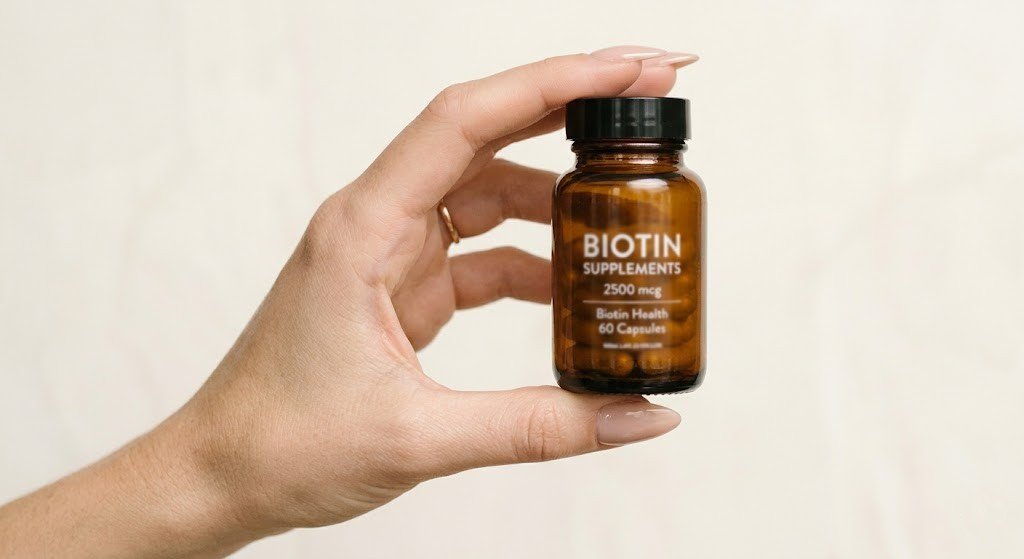
Fingernails grow roughly 3 millimetres per month and slightly less for toenails. You can see the difference when the new nail growing from the base reaches the tip. This may take more than a few weeks. Most studies record three to six months of supplementation for positive results. In real terms, that means taking a consistent daily dose for at least three months to know whether it is working or not.
In the first four to six weeks, you might notice a reduction in peeling and improvement in nail surface when you tap it. Before visible length changes, snapping and flexibility also reduce. These are signals that things are working.
Note that for the first week, biotin results will be essentially invisible. Be doubtful about posts that show before and after results in ten days. Nail biology does not work that way.
The Best Vitamins for Nail Strength Beyond Biotin
A broad nutritional toolkit serves to pull the nail matrix. Biotin is not working alone. Several other nutrients deserve space in any serious conversation about nail strength.
Iron: It feeds oxygen to the nail matrix cells, contributing in producing new nail plates. Low levels of iron slow down nail production, and quality drops. Women prone to natural iron depletion are particularly vulnerable to the kind of low levels of iron that slip under standard deficiency while still compromising nail quality.
Zinc: It plays a role in protein synthesis and cell division, both of which are happening continuously in the nail matrix. White spots on nails, slow growth, and peeling at the free edge are signs of zinc deficiency.
Vitamin D has a less obvious but meaningful connection to nail health. Vitamin D receptors are present in the cells of the nail matrix, and deficiency can cause brittleness and can increase risk of nail infections. Vitamin D insufficiency is widespread, particularly in northern climates and in women who cover their skin. It is worth checking via a blood test before assuming biotin is the missing piece.
Protein overall matters more than most people realize. Keratin is a protein. If your body faces protein deficiency, it prioritizes urgent functions and stops unnecessary functions, including nail growth. Fixing a protein gap needs broader supplementation than just biotin.
A formula that combines biotin with iron, zinc, and vitamin D can outperform as a standalone dose for most women.
Biotin Dosage for Nails: How Much Is Actually Enough
This is where marketing and reality split apart most dramatically.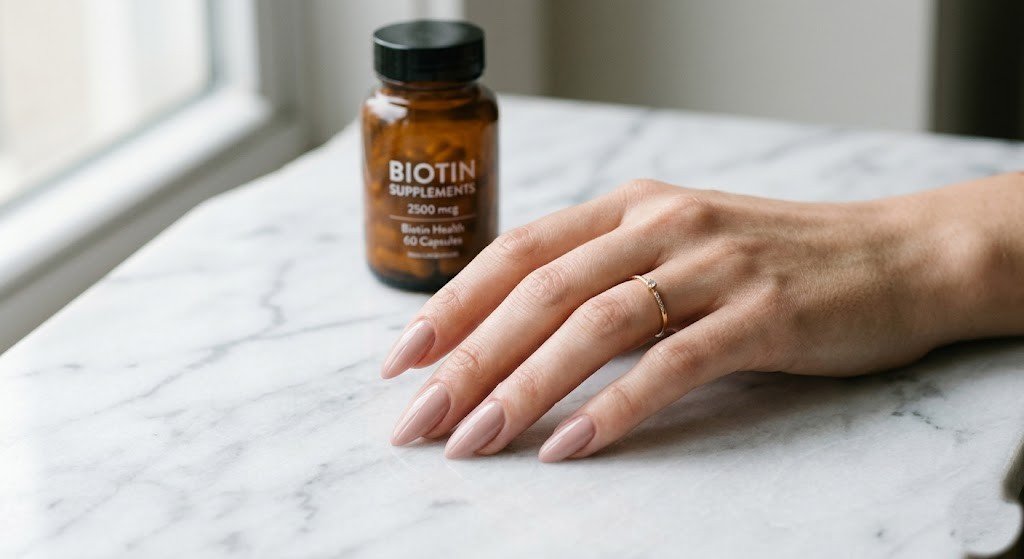
Walking into any pharmacy, you will see biotin supplements ranging from 1,000 mcg to 10,000 mcg per serving and more premium packaging as the number increases. But what research tells is a more measured story.
According to studies, doses ranging from 2,500 mcg to 5,000 mcg per day improve nail growth. This is an actual dose of a biotin supplement for nail growth that is evidence-supported. Higher doses than 5,000 mcg have not shown better nail results meaningfully. Higher doses increase the likelihood of facing biotin side effects and can interfere with certain lab tests.
This last point is not minor. The FDA has issued warnings about false results in thyroid tests, cardiac troponin tests, and hormone panels due to high doses of biotin, particularly 10,000 mcg. If you have any kind of blood work due, do not take biotin, stop supplementation at least 72 hours beforehand, and inform your doctor that you have been taking it.
30 msg of biotin per day is good enough for adults, the dose set by health authorities. But nail studies set a far higher dose than this. The doses used in nail studies are far above this, needing supplementations for nail improvement. Biotin from a regular diet rarely reaches therapeutic levels. But 2,500 to 5,000 mcg per day is adequate. The most commonly recommended dose that sits within the studied range is 5,000 mcg of biotin per day. Allure recommends staying within the studied dosage range rather than assuming higher doses produce faster results.”
Biotin is classified as water-soluble, but it is also fat-soluble and can be easily absorbed with food containing fat.
Mistakes That Slow Down Your Nail Growth Results
- Expecting results within two weeks. Over expectations prevent most people from being consistent in taking regular doses. Nail growth does not work fast; it takes at least 3 months to show visible results. So be patient before concluding the results.
- Taking a very high dose, thinking more equals faster. Higher dose does not mean faster growth. Biotin at 10,000 mcg is not twice as effective as 5,000 mcg. The excess is excreted or may interfere with blood tests. Skin breakouts, particularly along the jawline, are also reported at very high doses. Start at 2,500 to 5,000 mcg and stay there.
- Taking biotin without addressing the actual cause of brittleness. If your nails are breaking because you wash dishes by hand twice a day without gloves, or because you use acetone remover every week, biotin is adding a brick to a wall that has a different hole in it. Supplement and address the lifestyle factor simultaneously.
- Inconsistent supplementation. Consistency gives results. Taking biotin three and skipping the other four days will not produce the consistent tissue-level presence needed to influence nail matrix activity. Put the bottle wherever your morning routine already exists.
- Ignoring signs that something else is going on. A sudden change in nails in a few months needs a closer look than taking supplements. Sudden nail changes may be a signal of any underlying issue, like thyroid shifts, anaemia, or other systemic issues that need proper investigation, not a trip to the supplement aisle.
When Your Nails Are Telling You Something More
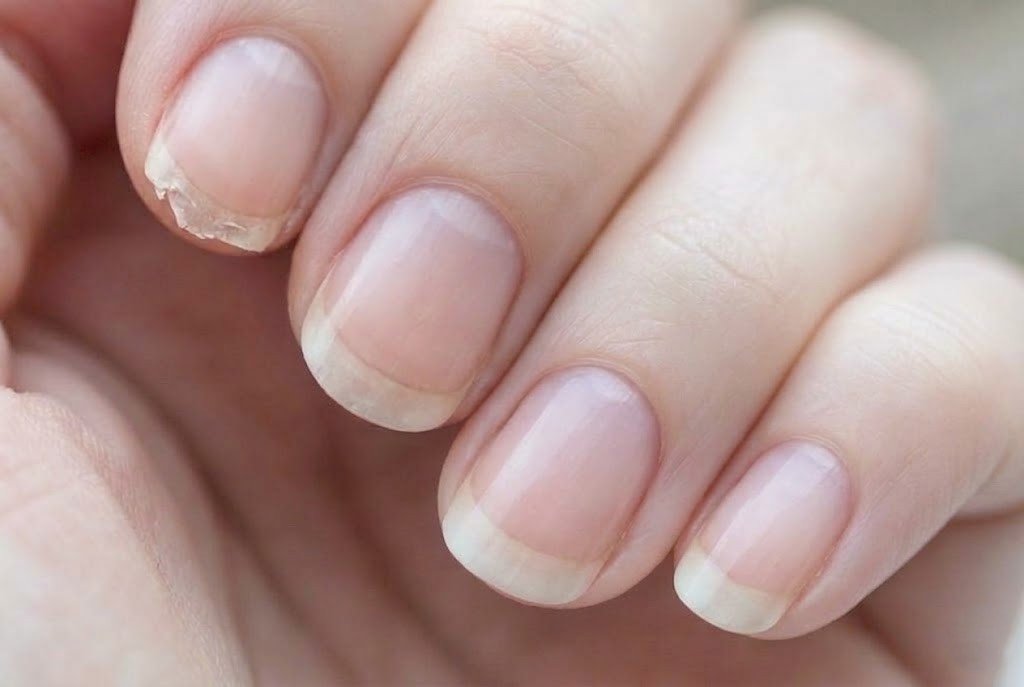
Most brittle or slow-growing nails happen due to nutrition gaps, prolonged water exposure, or age-related. But nails say much more about what is going on inside your body, and some signs are worth visiting a doctor or dermatologist. Speak to the doctor if you notice significant horizontal ridges on your nails, changes in color, or if they start lifting from the nail bed. These patterns may link to issues that a supplement will not resolve, like thyroid conditions, iron deficiency anaemia, psoriasis, and other systemic health issues.
Similarly, if you do not see any improvements after taking a quality biotin supplement consistently for four to six months, have a conversation with a dermatologist. They can give you a clear picture, testing your actual biotin levels along with iron, zinc, and vitamin D.
Biotin for nail growth is not a myth, but it is also not magic. It makes a real difference over time for women with a deficiency. For everyone else, it works best as one nutrient from a broad list of nutrients needed. The thing that abandons people is the timeline. Three months feel long when your nails are already frustrating you. But nail biology requires time. Pair it with the other fundamentals, and you will have a much clearer picture of what your nails actually need.
If you want to go deeper into strengthening your nails from every angle, not just supplementation, the next step is worth your time. Read the full guide on how to strengthen weak and brittle nails.