Now Reading: What Is Gel X? Nails Explained Simply
-
01
What Is Gel X? Nails Explained Simply
What Is Gel X? Nails Explained Simply
What Is Gel X? How These Nail Extensions Really Work
Quick Answer: Gel X is a soft gel nail extension system that uses pre-shaped tips applied directly over your natural nail, then cured under an LED or UV lamp. There’s no powder or liquid monomer involved, like acrylic, but just flexible gel that bonds smoothly across the nail plate. These mostly last two to three weeks and soak off completely with acetone, which makes Gel X a gentler option for anyone wanting extra length without the bulk of traditional extensions.
Those glassy and perfectly shaped nails are seen everywhere lately, and they actually look both natural and impossibly polished at the same time. You just nod along when someone mentions the name, even though you’re a little lost inside, whether it is a gel, Acrylic, or some new hybrid thing nobody explained to you? The nail world moves fast, and salons expect you to already know the vocabulary of nail services.
So what is gel x, really? In this post, we’re breaking down exactly what this nail extension system is compared to a regular gel manicure or a classic acrylic set and how it’s applied. It also covers how long it lasts, what it tends to cost, the mistakes that shorten its wear, and the situations where it might not be the right fit for your nails. By the end, you’ll walk into your next appointment knowing exactly what to ask for.
In This Post
- What Is Gel X, Exactly?
- How Gel X Actually Works on Your Nails
- Gel X vs Acrylic vs Builder Gel vs Hard Gel
- How Long Do Gel X Nails Last?
- What Does a Gel X Set Cost?
- Mistakes That Can Wreck a Gel X Set
- When Gel X Isn’t the Right Choice for Your Nails
- Frequently Asked Questions About Gel X Nails
What Is Gel X, Exactly?
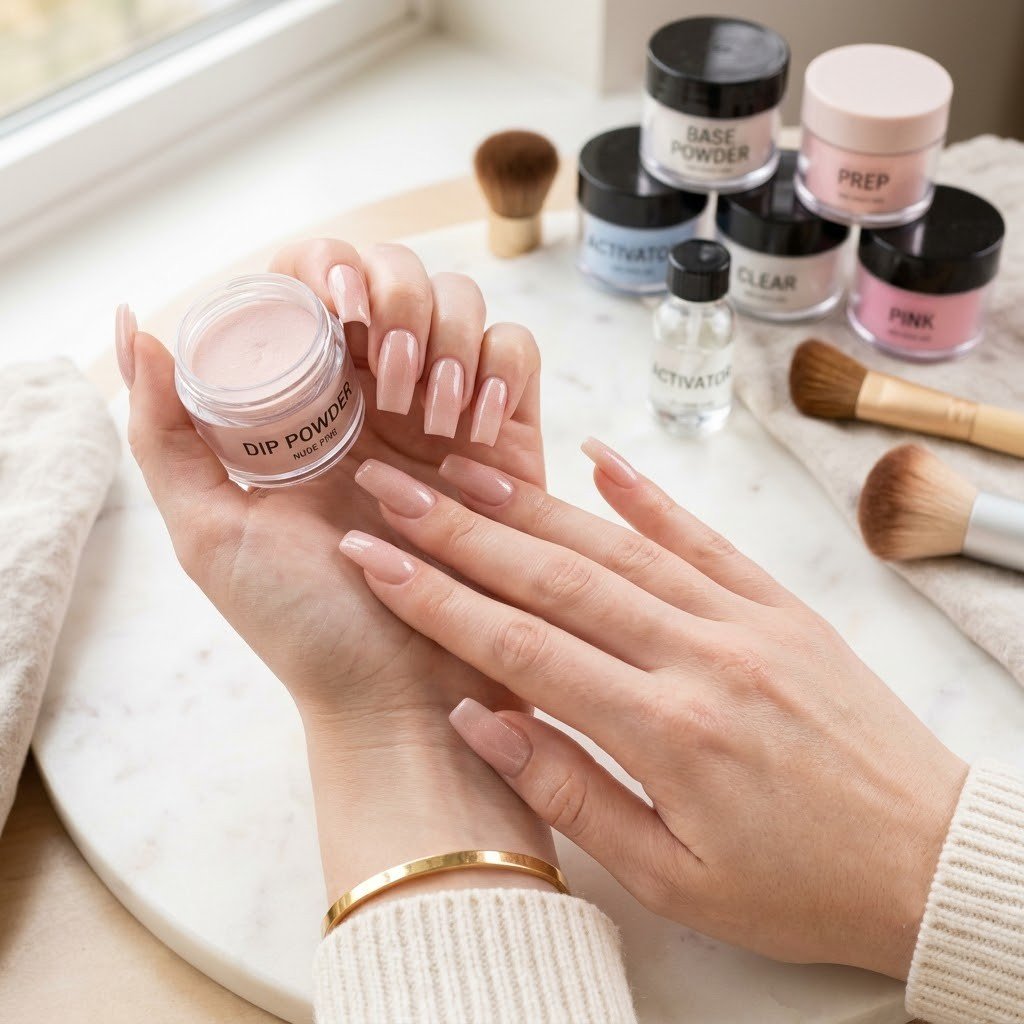
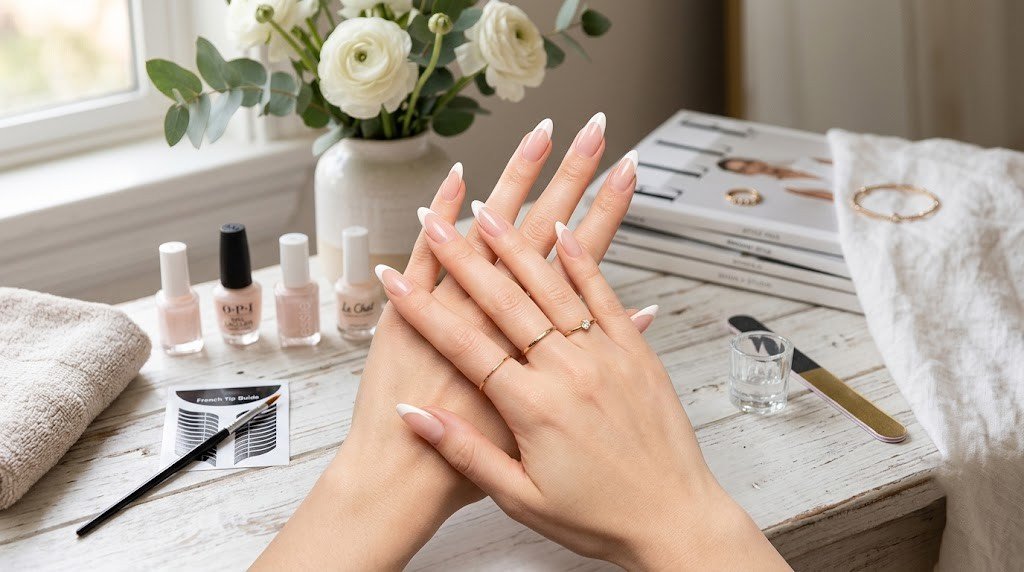
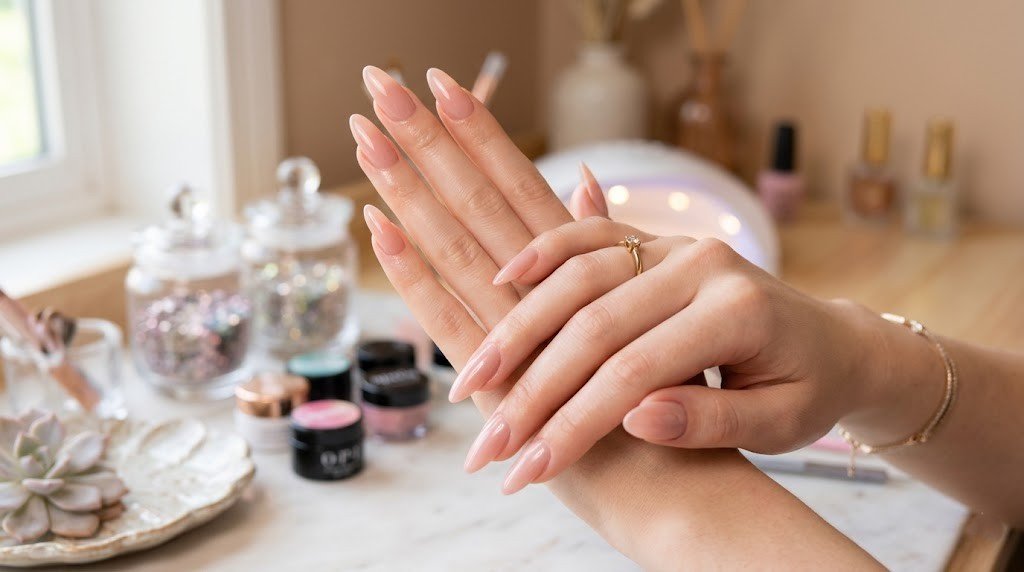
At its core, what is gel x boils down to this: it’s a soft gel extension system built on pre-shaped plastic tips rather than gel polish directly painted on your bare nail. Each tip is custom-sized to your nail bed, then bonded over your natural nail plate with a layer of soft gel and fully cured under a lamp.
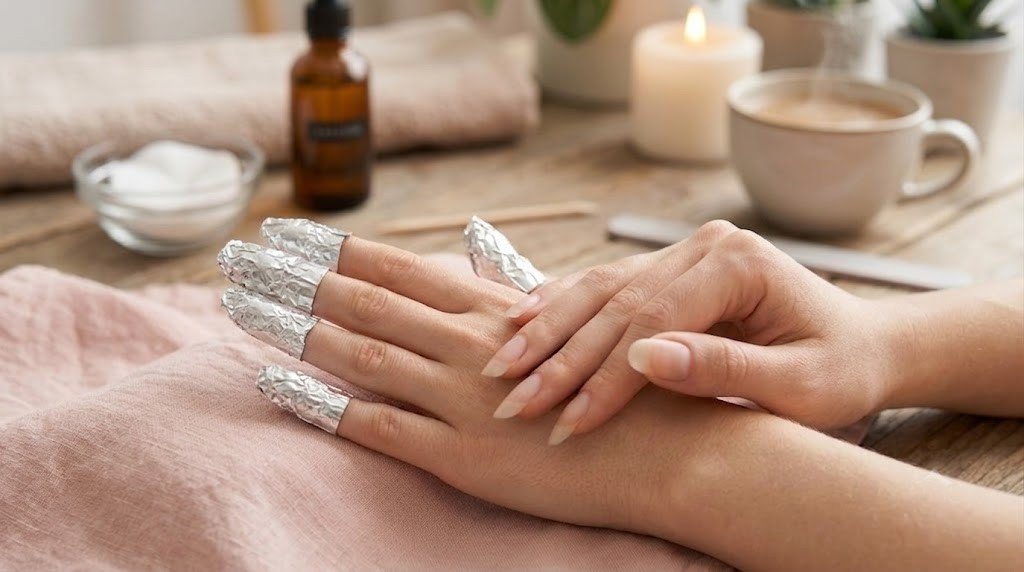
The “soft” in soft gel really matters here. Traditional hard gel and acrylic create a rigid shell that must be filed off layer by layer during the removal process. Gel X is formulated to soften completely in acetone, the same way a regular gel manicure comes off, just with more length and structure involved.
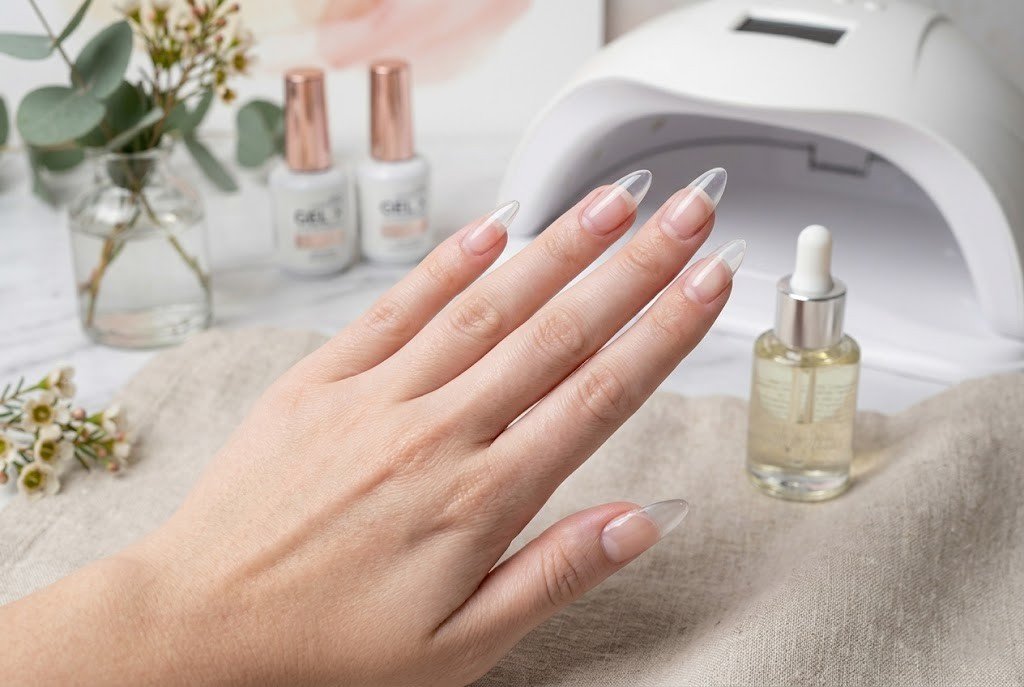
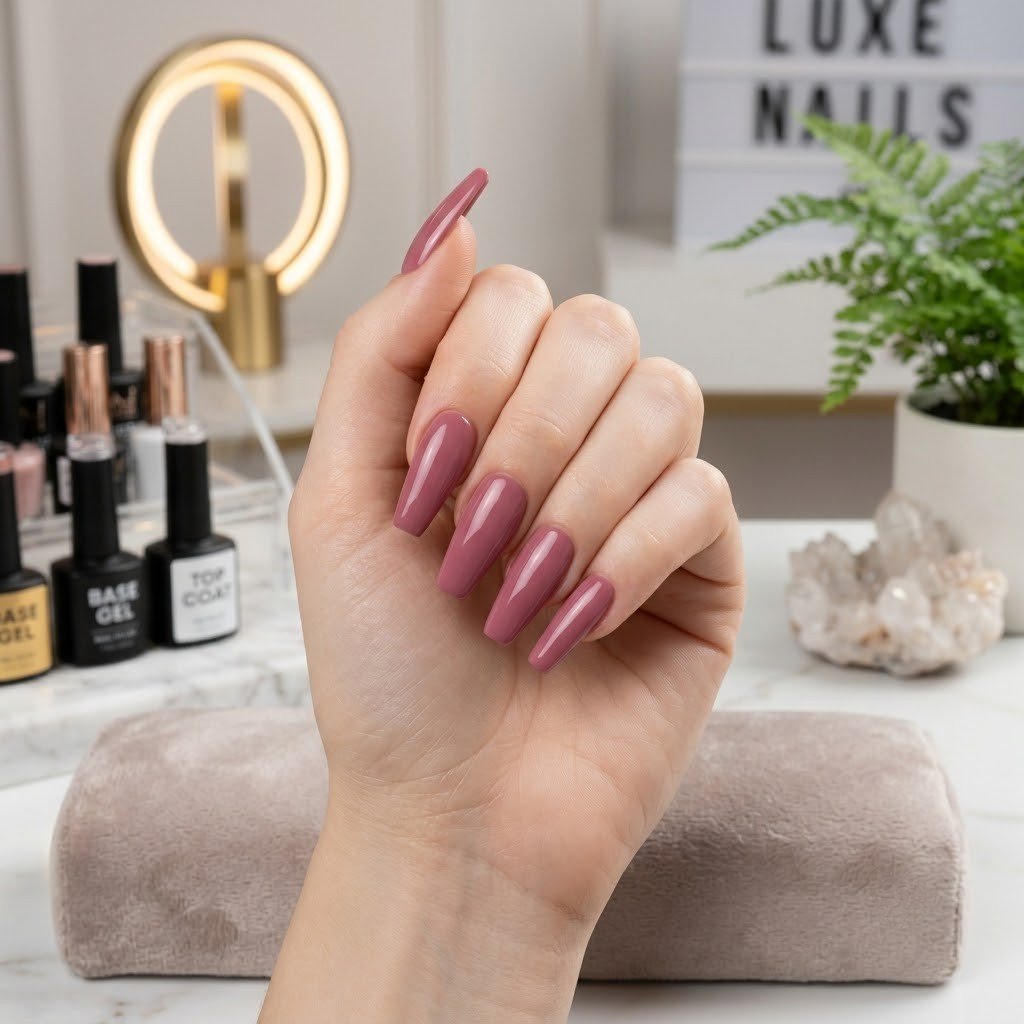
The most misunderstood part is thinking that Gel X is a brand of polish or a specific product. The truth is that it’s a system where tips, bonding gel and a curing process work together. The tips are pre-shaped like almond, coffin, square, and stiletto silhouettes, so your nail tech doesn’t need to sculpt length from scratch the way they would with acrylic powder and liquid.
Gel X feels lighter and thinner than acrylic because the tip seamlessly sits on your entire nail plate rather than being built on the nail edge alone. That lightweight difference is the first thing you’ll notice if you’ve always had bulky extensions done before.
How Gel X Actually Works on Your Nails
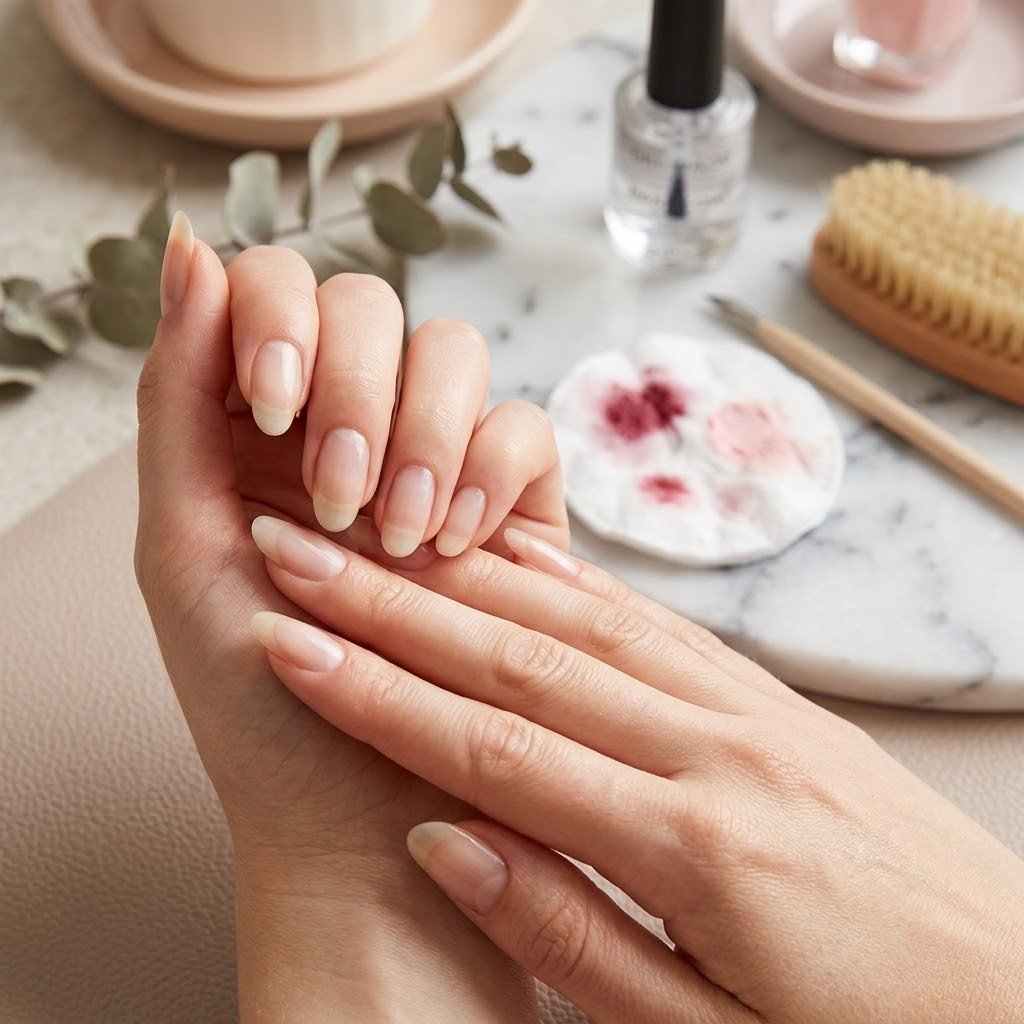
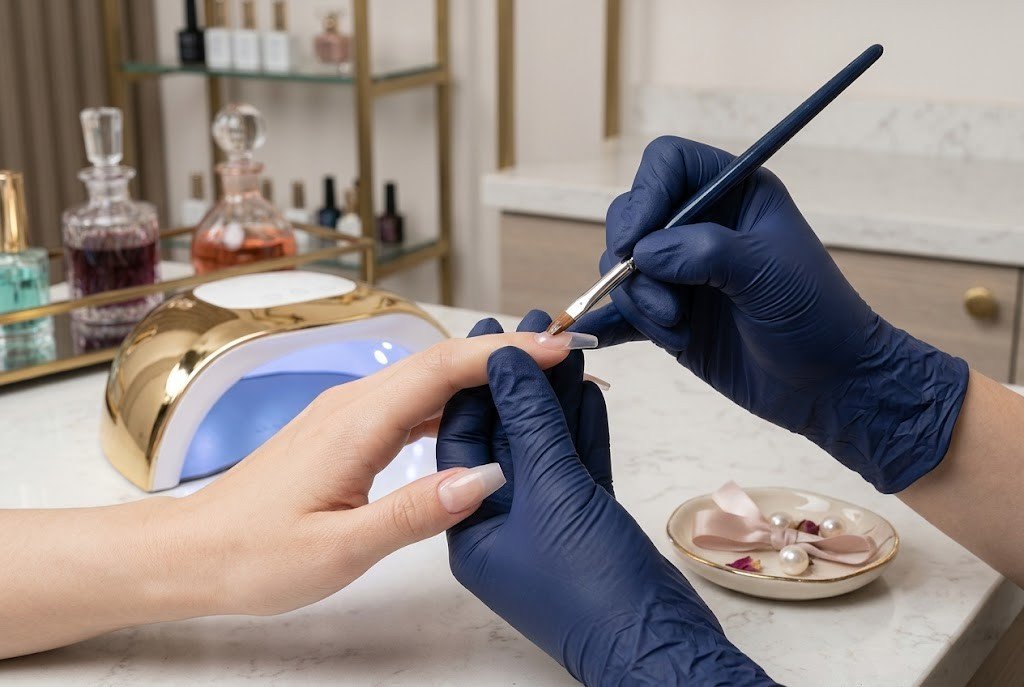
The Gel X application process follows a fairly consistent sequence for every salon you visit. Firstly, your nail tech preps the natural nail, which is meant to push back the cuticles by gently buffing the nail plate to remove shine and cleaning away any oils. This initial prep affects how well everything bonds later.
Next comes the tip selection and fitting. Each tip is chosen to match your natural nail bed width, then trimmed to your preferred length. The tip is bonded with your natural nail bed by applying a thin layer of bonding gel to the underside of the tip and to your natural nail, and then the tip is pressed into place at an angle, held for a few seconds to set.
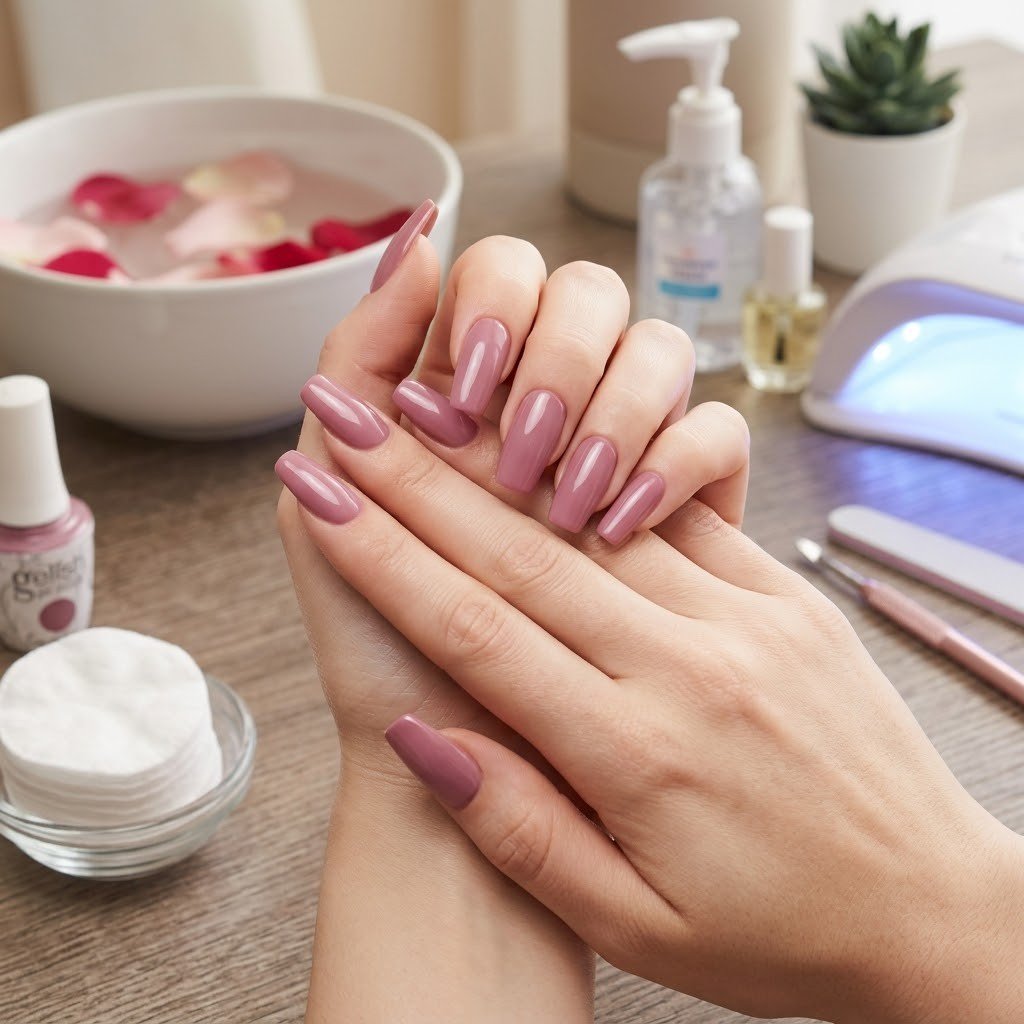
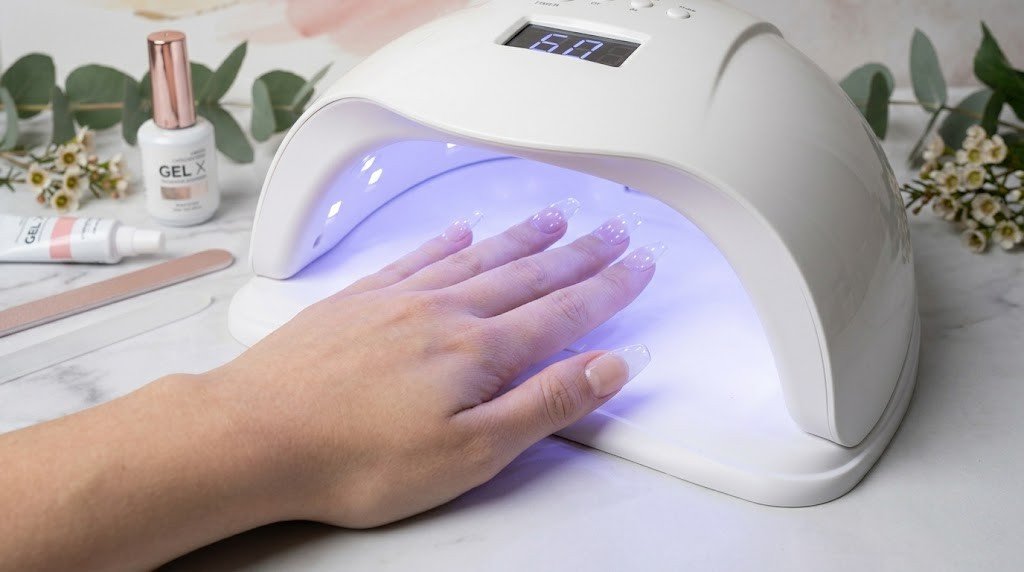
The nail tech applies all ten tips, then files and shapes them to even out the apex and sidewalls. A layer of builder or structure gel is often added at this stage for extra strength, and then your color is applied if you’re getting a gel polish finish rather than a clear set. Everything is cured under an LED or UV lamp between steps for about 30 to 60 seconds at a time. The entire appointment takes approximately 60 to 90 minutes, depending on nail art or design requests.
A bit of aftercare goes a long way after leaving the salon. Daily applying cuticle oil keeps the skin around the extension flexible, which helps in holding the seal between the tip and your nail plate longer. Using gloves for dishes and cleaning to protect the bond from hot water and harsh chemicals, because both soften gel faster than people expect. These are not complicated, but just a habit, and women who treat these habits as non-negotiable have these sets last the full three weeks.
Gel X vs Acrylic vs Builder Gel vs Hard Gel
This is where most people get genuinely confused, and honestly, that confusion is fair. These terms get used loosely even inside salons.
Gel X vs acrylic comes down to the materials and the process. Acrylic uses a liquid monomer mixed with powder that hardens through a chemical reaction as your tech sculpts it, whereas Gel X uses pre-shaped tips and gel that cures under light. Acrylic sets tend to be stronger for very long lengths, but Gel X usually feels lighter and removes more gently.
Builder gel is a thick self-leveling gel that is used to add strength and structure, sometimes over a tip and sometimes directly on the natural nail with no tip at all, which is called a “no-tip” or “sculpted” extension. Gel X almost always uses builder gel as part of its layering, but builder gel on its own isn’t the same system.
Hard gel is entirely a separate category. Hard gel doesn’t soften in acetone after it is cured, the way soft gel does; rather, it has to be filed off. Some Gel X applications layer hard gel over the soft gel tip for extra durability, and it is worth asking your tech about if soak-off removal matters to you.
In short, Gel X is a soft gel system built around pre-made tips, and builder gel is one of its ingredients, but hard gel is a different category that doesn’t soak off, and acrylic is a totally separate process altogether.
How Long Do Gel X Nails Last?
Most Gel X sets hold up well for two to three weeks before demanding a fill or a fresh set. The same factors that affect regular gel manicure longevity apply here too. Some people with slow nail growth or those who are gentle with their hands can stretch it closer to four weeks. A few things that can shift the timeline include hot water, frequent hand-washing, and harsh cleaning products that soften the bond between the tip and your nail plate faster than normal. Using your nails as tools for opening cans, scratching off labels, and peeling stickers is also a habit that causes lifting at the edges.
Nail growth also plays a role, especially when your natural nail grows out, making a visible small gap between the cuticle and the base of the tip. Though layering on a fresh color in the meantime can help disguise it until your next fill. That gap doesn’t mean your set has failed. This usually happens around two to three weeks, and it’s just a sign you’re due for a fill.
What Does a Gel X Set Cost?
Pricing varies a lot depending on your location and the salon’s experience level, along with whether you choose to add nail art or a specific shape. Generally, a basic Gel X set typically costs between $50 and $90. Adding intricate designs and chrome finishes or longer-than-average lengths can push that higher.
Just fills cost less than a full new set, often in the $35 to $60 range, since the tech is just reinforcing existing structure rather than building from scratch. If you’re budgeting for ongoing Gel X maintenance, you should check your salon fill pricing upfront since some salons charge based on length or design complexity rather than a flat rate.
A Gel X nail kit for home use is worth a mention if the salon pricing feels unreasonable. These kits typically run $20 to $40, including tips and bonding gel, along with a small LED lamp, and in this trade-off is real though. But practice is required to get an even and well-fitted application because a poor fit at home is one of the fastest routes to lifting and breakage. A kit works perfectly when you’ve gotten comfortable, even for special occasions or just routine maintenance. A professional salon visit is usually a safe starting point for your very first set.
Mistakes That Can Wreck a Gel X Set
A few habits that show up again and again as reasons a Gel X set fails early or damages the natural nail underneath.
Skipping proper prep. The bond is weaker from day one if the natural nail isn’t buffed and cleaned thoroughly before the tip goes on, and this causes lifting within days, not weeks.
Picking at lifted edges. Picking over a slightly lifted tip peels back layers of the natural nail plate along with it, and this becomes the cause of thin and weak nails after Gel X removal.
Forcing removal at home. Trying to take off a Gel X set with tools instead of soaking it off properly is the single biggest cause of damage people report afterward.
Skipping cuticle oil between fills. The skin around extensions dries out fast, and cuticle oil is needed to protect the seals and tips and avoid cuticle cracking.
Going too long between fills. Waiting past four weeks puts extra stress on the natural nail when it grows and increases the chance of breakage at the point where your nail meets the tip.
When Gel X Isn’t the Right Choice for Your Nails
For most people, Gel X is a low-risk option compared to traditional acrylic, but it isn’t completely without considerations.
Some people notice redness, itching, or swelling around the nail folds after a Gel X application, a recognized reaction to acrylates used in gel bonding and curing systems. If there’s ongoing irritation, swelling, or a rash around your cuticles when you get a new set done, then it is better to avoid continuing to get fills done before speaking to a dermatologist.
Gel X is a gentler system, but repeated heavy filing can thin the nail plate over time if it’s done too aggressively at every appointment. If your natural nails feel unusually flexible, translucent, or painful after removing a set, you should definitely check in with a dermatologist before your next appointment to ensure your nail bed is completely healthy.
If you get extensions done for months without a break, then give your nails a window to breathe and give your nail matrix some recovery time. A short break encourages healthier growth, especially if you’ve noticed your nails coming in thinner than they used to.
Frequently Asked Questions About Gel X Nails
What are Gel X nails made of?
Gel X nails are made from pre-shaped soft gel tips bonded to your natural nail with gel adhesive, then reinforced with builder gel and cured under an LED or UV lamp.
How long does Gel X last compared to acrylic?
Gel X typically lasts two to three weeks, like acrylic, though some people stretch it to four. Acrylic can sometimes hold slightly longer for very long lengths.
Is Gel X good for your nails?
For most people, yes, Gel X involves less aggressive filing than acrylic and soaks off rather than being filed away, which is gentler on the natural nail plate over time.
What is a Gel X manicure exactly?
A Gel X manicure refers to getting a full set of Gel X extensions, including prep, tip application, shaping, and a gel polish finish, completed in one salon visit.
Does Gel X damage your nails?
On its own, no, but skipping prep and habits like picking at lifted edges, prying, and forcing removal at home can damage the natural nail underneath regardless of which extension system is used.
At this point, what is gel x probably feels a lot less mysterious. It’s not a single product but a system that uses pre-shaped tips, soft gel bonding, and a curing process that comes together into something lighter than acrylic and gentler on removal day. Like any nail enhancement, how it wears depends partly on the application and partly on how you treat your hands between appointments.
If you’re weighing Gel X against other options for your next set, our guide on how to strengthen weak and brittle nails is a good next stop, especially if your natural nails need some recovery time between extension sets..