Now Reading: What Is a Gel Manicure? Everything You Need to Know
-
01
What Is a Gel Manicure? Everything You Need to Know
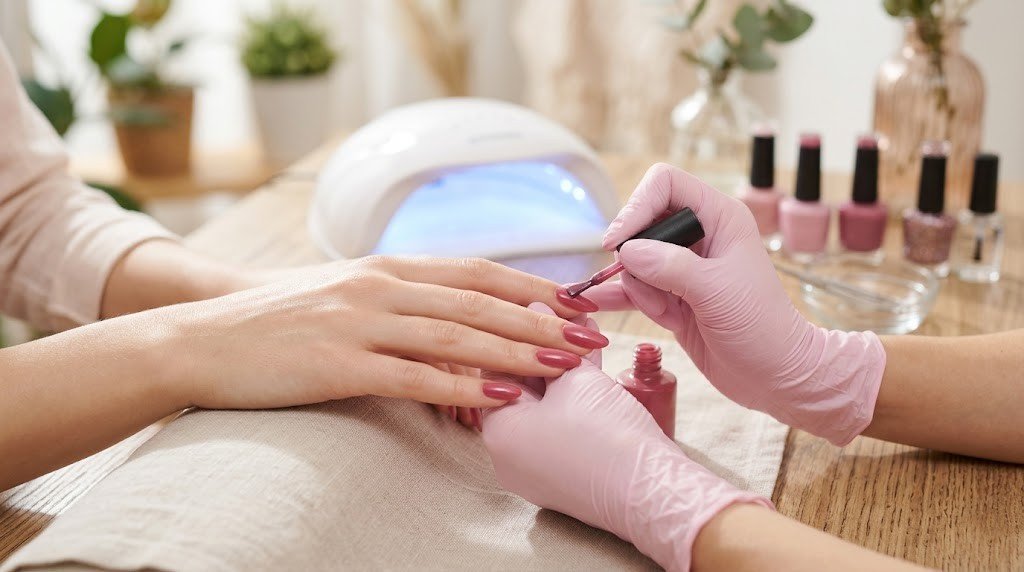
What Is a Gel Manicure? Everything You Need to Know
What Is a Gel Manicure? Your Complete Beginner’s Guide
Those perfectly glossy nails are everywhere and stay chip-free for weeks, unlike the regular polish that starts peeling in a few days. You may have seen them on any friend’s hand or spotted them all over Pinterest. Wherever you saw them brought you here to explore those gel manicures and to check if they are worth such limelight.
This post covers everything you need to know as a first-timer. It answers the questions that are on your mind, like What is a gel manicure, exactly? How does the process work? What are the different types, and which one is right for you? Here you’ll also find out how long gel manicures last and what they cost. Whether the damage concerns you’ve probably heard about are worth worrying about. By the end, you’ll have genuine expectations before you ever sit down at the salon.
In This Post
- What Is a Gel Manicure, Exactly?
- How Does a Gel Manicure Work?
- Types of Gel Manicures
- How Long Do Gel Manicures Last?
- How Much Does a Gel Manicure Cost?
- Gel Manicure vs Shellac vs Acrylic – What’s the Difference?
- Do Gel Nails Damage Your Nails?
- Things to Know Before Your First Gel Manicure
- When to Talk to a Dermatologist
- Frequently Asked Questions
Quick Answer:
A gel manicure is a nail treatment that uses gel-based polish, which is cured under a UV or LED lamp to create a hard and glossy finish that lasts two to three weeks without chipping. Gel polish stays intact so much longer because it bonds with the nail plate chemically, unlike regular nail polish. It must be removed professionally by soaking or filing rather than with standard nail polish remover.
What Is a Gel Manicure, Exactly?
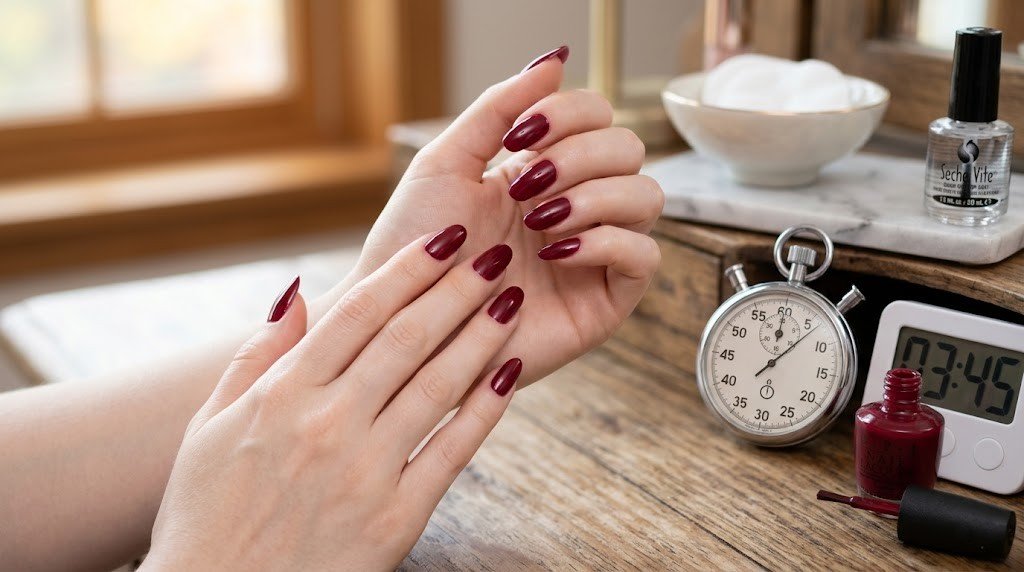
A gel manicure is a nail service and treatment that uses a specially formulated gel-based polish rather than a traditional lacquer. Thin layers of the polish are applied and hardened using a UV or LED lamp between each coat and different steps. The result is a finish that is significantly harder and glossier with more durability than any regular nail polish bottle.
What is gel polish, then? Gel polish is the product itself that is used in a gel manicure. It is actually a hybrid formula that is something between nail polish and hard gel that gives you the ease of polish application with the staying power of a gel product. It does not dry in air and needs a UV lamp to be cured, and without it, it stays tacky and never cures.
The key difference between a standard manicure and a gel manicure is the gel polish that bonds to the nail plate chemically in the curing process, which keeps it from chipping the way regular polish does. As hardened with UV lamps, you cannot remove it with regular acetone-based remover; rather, it requires soaking or careful filing, and skipping that step can cause nail damage.
How Does a Gel Manicure Work?
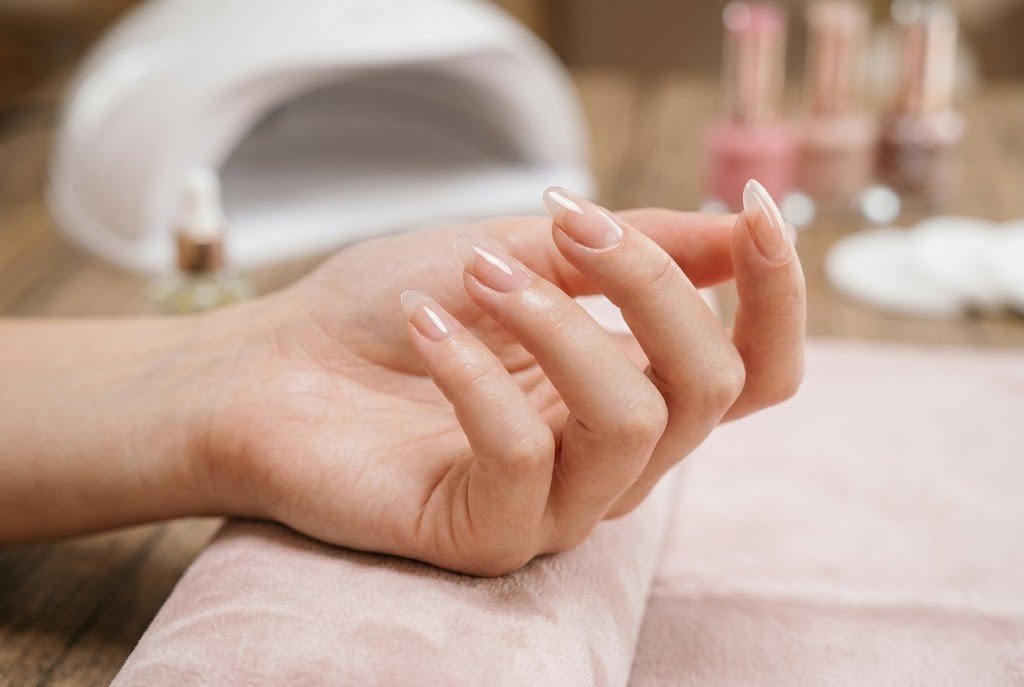
The process is more involved than a regular manicure process, but it makes sense when you have hands on each step. Here is what typically happens during a salon gel manicure:
- Nail preparation. Initially, the nail surface is prepared by cleaning and shaping your nails by pushing back the cuticles gently and lightly buffing the surface of each nail plate. This step is done to roughen the surface just enough for the gel to grip.
- Base coat application. Then the nail technician applies the first anchoring thin layer of gel base coat on each nail and cures it under the lamp for 30 to 60 seconds.
- Color coat application. Your preferred gel color is applied over the gel base in two thin coats with a lamp cure between each one. These coats are applied carefully because thick application leads to uneven curing and lifting.
- Top coat application. As the final layer, the gel top coat is applied and cured again for a final time under the lamp. This is what creates that deep and glossy finish that regular polish simply cannot replicate.
- Cleanser wipe. Lastly, a gel cleanser or isopropyl alcohol is wiped over each nail to remove any tacky residue left on the surface. The result is smooth and hardened nails that are instantly dry and ready to use.
The entire process typically takes between 45 minutes and an hour at a salon but varies depending on nail length and the complexity of color.
Types of Gel Manicures
Types of gel manicure vary by the word “gel” that covers several different products and techniques, and to ask clearly about the manicure you want at the salon, you must know the difference.
Soft Gel (Soak-Off Gel)
The most common type you will encounter at nail salons is soft gel polish, sometimes called soak-off gel. It is the standard gel manicure that most people demand. Its application process is like polish first, followed by cure under a lamp at each step, and can be removed using pure acetone by wrapping cotton pads soaked in acetone around each nail for around 10 to 15 minutes. Soft gel adds minimal thickness to nails and works beautifully on natural nails.
Hard Gel
Hard gel is a thicker and stronger formula that does not break down with acetone; rather, it must be filed off rather than soaked in acetone. Hard gel is often used to build length or add structure to nails that are too short or weak for soft gel alone. It has more durability towards just soaking and requires more skill to apply and remove correctly.
Gel Polish on Natural Nails
This is simply soft gel applied directly over your natural nail plate without any extensions or additional structure. It is the lightest version of a gel manicure that just gives color and shine without anything added to the length or shape. Preferred for people who avoid artificial enhancement but want the durability of gel.
Builder Gel and Structured Gel Manicures
Builder gel is sometimes called structured gel or BIAB (Builder In A Bottle), and it has become increasingly popular. It is more consistent than soft gel but less than hard gel. It adds a thin layer of strength over the natural nail while still being removable by soaking. This type of product is used in structural manicure to give fragile or brittle nails extra support, and it’s a solid choice for anyone trying to grow their nails out, though it’s worth knowing how it compares to a regular nail strengthener before you commit to one over the other.
How Long Does a Gel Manicure Last?
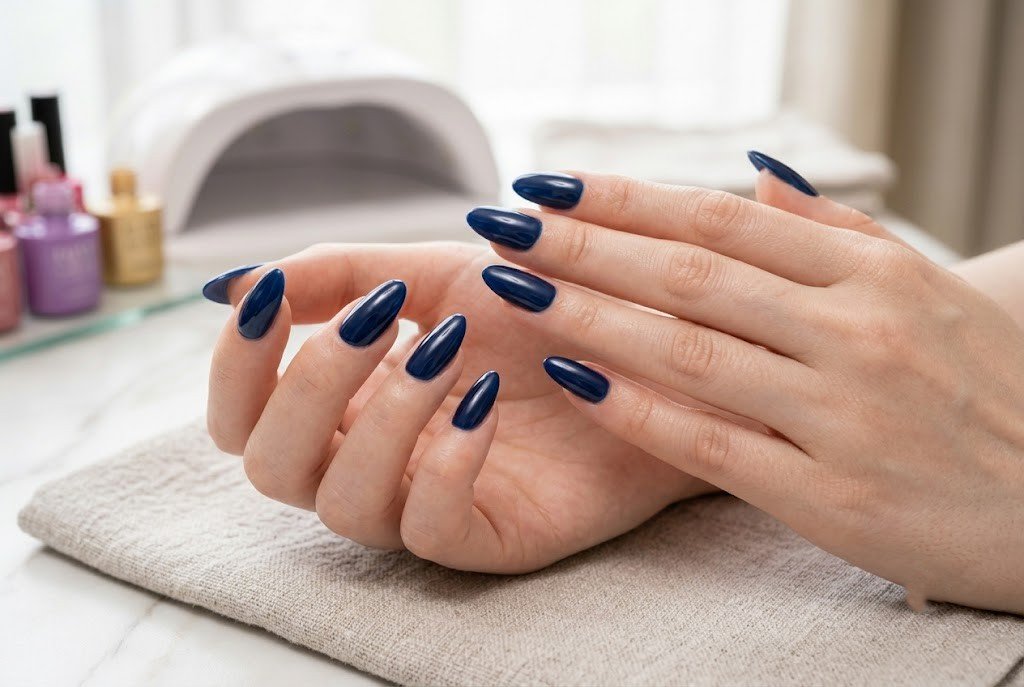
Two to three weeks is the honest answer in most cases, and get closer to four weeks before the natural nail growth underneath causes lifting at the cuticle area. For a full week-by-week breakdown of what to expect and how to extend that, see how long a gel manicure actually lasts. How long it lasts depends highly on your nail growth rate and how well the manicure was applied, along with how rough your hands are in daily life.
A few things significantly reduce lasting time, like skipping nail prep steps before application, which later causes lifting. Prolonged exposure to excessive water or harsh cleaning products, and habits like using nails as tools or peeling at the edges, will cut longevity short significantly. Protect your manicure by wearing gloves when cleaning and applying cuticle oil daily to make the surrounding skin flexible and reduce stress on the gel, so it genuinely extends how long it stays looking good.
Most salons offer a gel fill or infill appointment around the two to three-week mark to fill the grown-out area near the cuticle without removing the full manicure. This is a good option if the rest of the gel has no damage and is still intact and looking clean.
How Much Does a Gel Manicure Cost?
A gel manicure at a nail salon typically costs between $35 and $65 in the United States. High-end salons in major cities can charge more depending on the salon location and worth. The price usually reflects the quality of products used, the experience level of the technician, and how long the service takes.
Gel fills are generally cheaper than a full new set, costing roughly $25 to $45 for a fill appointment. If you choose to do gel at home with a starter kit, then the upfront investment runs between $40 and $100 for a decent quality lamp and a few gel polishes, which calculates to a lower cost per use over time.
It’s worth knowing that cheaper is not always better when it comes to gel services. The bargain is not much because a rushed prep job or low-quality gel product will lift within days.
Gel Manicure vs Shellac vs Acrylic: What’s the Difference?
These three terms get used all the time interchangeably, but they are not the same thing.
Gel manicure vs Shellac: Shellac is actually a brand name that is CND’s specific line of gel-polish hybrid products. Technically, all Shellac manicures are a type of gel manicure, but not all gel manicures use Shellac products. If a salon advertises Shellac, this may mean that they are using CND’s formula specifically. Both are soak-off products with similar wear time, which means a nearly identical practical experience.
Gel manicure vs acrylic nails: These are both genuinely different terms. Acrylic nails are hard extensions that are created by combining a liquid monomer with a powder polymer over or onto the nail. The result is obtained through a chemical reaction with air without involving any lamp. Acrylics are generally more durable and better for significant length extensions, but more maintenance is required and have a harder removal process than gel. If you want something between the two in terms of durability and gentleness, dip powder is worth considering. Acrylics offer more structure and length, whereas gel tends to feel lighter and more natural on the nail.
Do Gel Nails Damage Your Nails?
This is one of the most searched questions around gel manicures, and the honest answer is that gel itself is not the problem. The damage that people associate with gel nails almost always comes from either improper removal or over-buffing during prep.
Peeling off gel instead of soaking properly pulls layers of the nail plate with it. This makes the nail thin and weak, with peeling that people blame on the gel. Even acetone does not cause this level of damage if it is used correctly during a proper soak-off.
Repeated over-buffing of the nail plate before application during many manicure cycles can also thin the nail over time. A good technician uses the lightest possible prep.
There is also the question of UV exposure during curing. The American Academy of Dermatology has noted that while the UV exposure from gel lamps is relatively low compared to tanning beds, sensible precautions include applying a broad-spectrum SPF or wearing UV-protective gloves during curing, especially for anyone getting gel manicures regularly.
Gel manicures can be worn regularly if applied properly and removed correctly, so it does not cause any damage to the nail. But still taking breaks between gel manicures and keeping nails moisturized with cuticle oil helps maintain nail plate health in the long run.
Things to Know Before Your First Gel Manicure
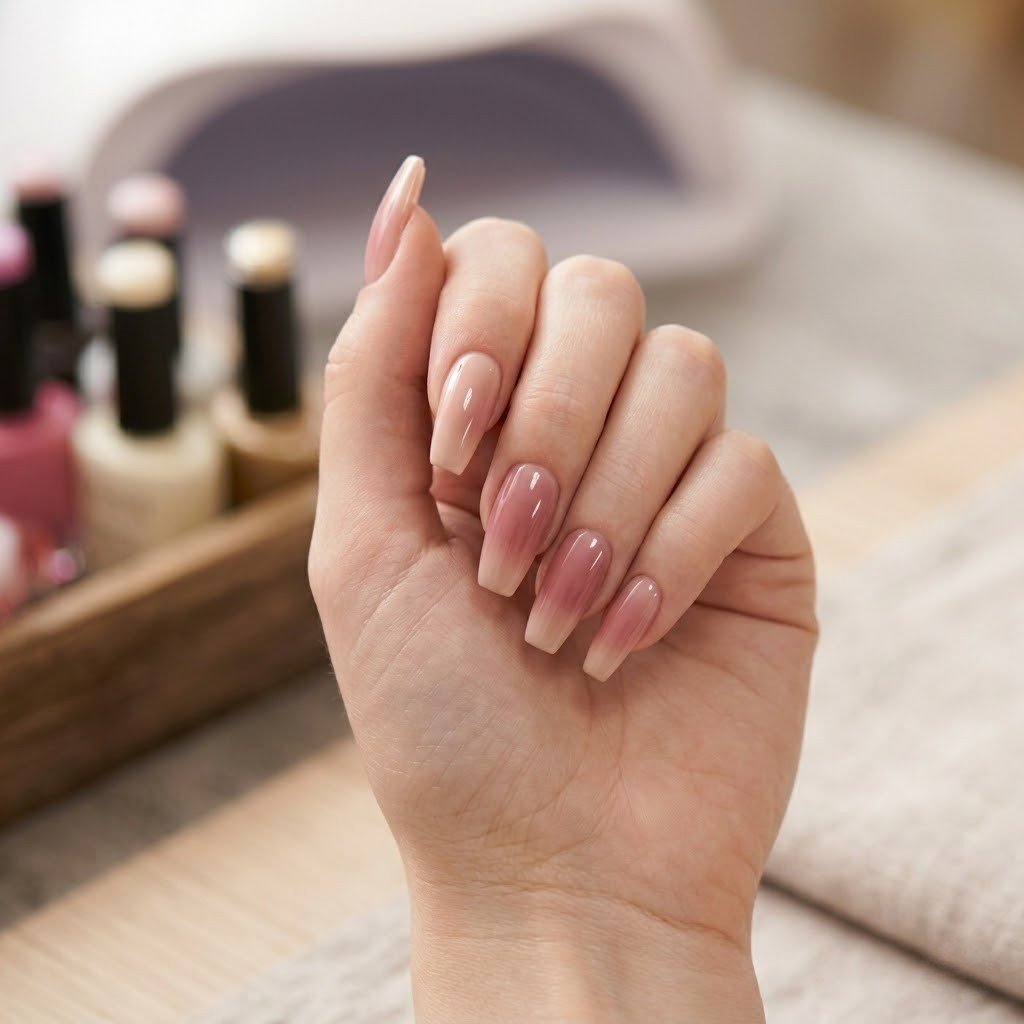
Here are a few things nobody tells you before you book that first appointment:
- Do not cut your cuticles beforehand. Freshly trimmed cuticles create tiny openings that may increase sensitivity during the service. Let your technician handle cuticle care in the salon.
- Avoid soaking your hands before the appointment. Water exposure causes nails to expand slightly and then contract on drying, which causes gel to lift sooner, so go in with dry hands.
- Tell your technician if you have sensitive skin or a history of allergic reactions. Some people develop a contact dermatitis reaction to the chemicals in gel polish, particularly the methacrylate compounds. It is rare, but it happens, so let your technician know to take precautions if needed.
- Do not pick or peel. If your gel starts lifting at the edges and you resist the urge to peel it off, then book a removal appointment instead of peeling to protect the nail from any damage.
- Invest in cuticle oil. Apply it daily around the nail fold and along the edges to keep the skin supple and reduce lifting so it genuinely extends the life of your manicure.
When to Talk to a Dermatologist
Most people have no issues with gel manicures beyond occasional lifting or wear, but some signs are worth paying attention to. Persistent redness, swelling, or itching around the nail fold after a gel service may indicate a contact allergy to the gel formula, specifically to certain acrylate compounds found in some gel products. This type of reaction can worsen with repeated exposure, so it’s better to talk to a dermatologist.
Nails stubborn to thinning and brittleness, even after taking a break from gel, are worth discussing with a dermatologist. Some changes to the nail bed itself, like discoloration, separation, or unusual texture, are signs that deserve a professional eye rather than a home remedy. A dermatologist can better identify if it is a reaction, an infection, or simply nail trauma.
Frequently Asked Questions About Gel Manicures
Are gel manicures safe?
Yes, for most people. Gel manicures are safe when applied and removed correctly by a trained technician. The main risks are nail damage from improper removal and, less commonly, an allergic reaction to the gel formula. Using a reputable salon, avoiding peeling, and taking occasional breaks between gel manicures keep the risk low for the majority of people.
What is the difference between gel nails and acrylic nails?
Gel nails use a gel-based polish or product cured under a UV or LED lamp. Acrylics are made from a liquid and powder combination that hardens through a chemical reaction without a lamp. Gel tends to feel lighter and more flexible on the nail, while acrylics offer more rigidity and are better suited for building significant length extensions.
How long does a gel manicure take to do?
A standard gel manicure at a salon takes approximately 45 minutes to one hour from start to finish. More complex nail art with longer nails or builder gel applications can extend the appointment to 75 to 90 minutes.
Can gel nail polish air dry without a lamp?
No. Gel polish is specifically formulated to cure only under UV or LED light. Without a lamp, it stays tacky and will not set properly. This is the fundamental difference between gel polish and regular nail polish, which air-dries through solvent evaporation.
What is a structured gel manicure?
A structured gel manicure is sometimes called a builder gel manicure that involves applying a thicker and strengthening gel product over the natural nail to add support and protection. It is especially popular for people with weak or brittle nails who want to grow their nails out. Most builder gel formulas are still soak-off removable, unlike hard gels.
Gel manicures have earned their reputation for a reason. They offer something regular polish simply cannot if they are done well and removed correctly. Weeks of chip-free color that actually stays put through daily life. Now that you know what a gel manicure involves, the types available, what it costs, and what to watch out for, you are in a much better position to decide whether it is right for you.
One last thing worth taking seriously is to find a technician you trust. The quality of the prep and removal matters more than the brand of gel being used. A good nail technician is the difference between nails that thrive and nails that suffer.
If you are thinking about growing your nails out before your first gel appointment, you might find it helpful to read our guide on how to grow your nails faster.